Fairview, TX · Collin County
Sewage Water Extraction in Fairview, TXContaminated Drywall Removal & Sewage Backup Cleanup
Sewage Water Extraction in Fairview handles black water extraction, sewage damage sanitization and sewage odor removal after a backup.
Answered 24/7
Help With a Sewage Backup in Fairview
A sewage backup can reach carpet, cabinets, drywall and anything stored on the floor. Sorting what can be cleaned from what must go is part of the job.
Sewage water extraction is available in Fairview and nearby McKinney, Allen and Lucas. The pros handle toilet overflows, floor drain backups and main line backups in homes and businesses.
Sewage Water Extraction Services in Fairview
Contaminated Drywall Removal
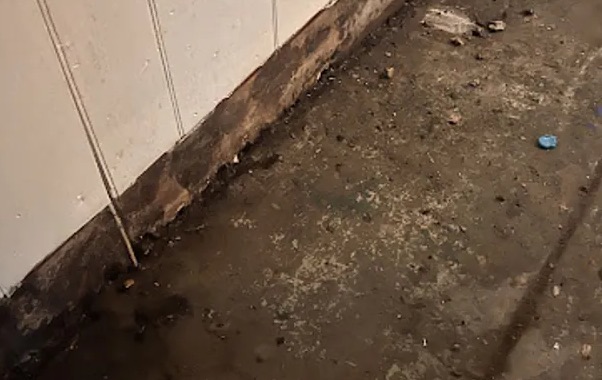
Sewage wicks up into drywall and baseboards. Removing those sections lets the pros clean and disinfect the studs behind them.
Sewage Backup Cleanup
The pros wear protective gear, contain the area so sewage is not tracked through the house, and clear the water and waste from every room it reached.
Black Water Extraction
Extraction pulls sewage out of hard floors, grout and slab cracks. Porous materials soaked with it are bagged and removed.
Sewage Odor Removal
A smell that comes back after cleanup usually means sewage is still in a wall cavity, under flooring or in a drain trap that dried out.
Emergency Sewage Pump Out
Deep sewage water is removed first with trash pumps that can handle solids, so extractors can reach the floor.
When a Drain Problem Becomes a Sewage Cleanup
Flies and Pests Near Drains
Drain flies or other insects gathering around a floor drain or bathroom can mean sewage is sitting where it should not be.
Wet Drywall Near Bathrooms
Damp, stained or soft drywall next to a bathroom or laundry can mean a leaking drain inside the wall.
Toilet Water Level Changes
A toilet bowl that rises, drops or bubbles by itself can mean pressure in the drain line from a partial blockage.
Slow Drains Throughout the House
When several drains slow down at once, the main line is often partly blocked and a backup may be close.
How Sewage Water Extraction Works in Fairview
Step 1: Assess the Contamination
The pros check how far sewage spread, how high it wicked up the walls and what belongings it touched.
Step 2: Extraction and Removal
Sewage is removed from hard surfaces, and soaked porous materials are cut out above the wick line.
Step 3: Clean and Treat
The slab or subfloor, studs and fixtures are scrubbed and disinfected before any drying equipment is set up.
Step 4: Document for the Claim
Photos, moisture readings and a list of removed materials and belongings are prepared for your insurer.
Sources of Sewage Water Damage in Fairview
Grease Buildup
Cooking grease poured down drains hardens inside pipes, narrows them and leads to backups at the lowest fixture.
Failed Backwater Valve
A backwater valve that sticks open or is missing lets sewage from the street line flow back into the home.
Collapsed or Sagging Pipe
Old pipes can crack, sag or collapse as soil shifts, leaving low spots where waste collects and blocks the flow.
Tree Root Intrusion
Roots grow into joints and cracks in older sewer lines, catch waste and eventually block the line completely.
Home and Business Sewage Cleanup in Fairview
Residential Sewage Water Extraction
Families with young children, older adults or anyone with health problems should stay away from the area until cleanup and disinfection are finished.
Commercial Sewage Water Extraction
Commercial kitchens and food businesses need floors, drains and nearby surfaces cleaned and disinfected before they can be used again.
Why DIY Sewage Cleanup Is Risky in Fairview
Call a plumber to clear the blockage. Extraction and cleanup go faster once the pipe is clear and sewage is no longer coming up through the drains.
Factors in Sewage Cleanup Cost in Fairview
In Fairview, the main cost drivers after a sewage backup are pump-out, material removal and disposal, disinfection and drying time.
Disinfection Work
Cleaning and treating floors, studs and fixtures takes time and materials that a clean water job does not need.
Amount of Sewage
A few inches across one room needs less pumping and extraction than sewage that spread across several rooms.
Materials Removed
Carpet, pad, drywall, insulation and cabinets touched by sewage are removed and disposed of, which adds to the cost.
Does Insurance Cover Sewage Water Extraction?
Many homeowner policies do not cover sewage backups unless you have a sewer or water backup endorsement. Check your policy before work starts.
Why Sewage Needs Professional Cleanup in Fairview
Records for Your Claim
Photos, readings and a list of removed items give your adjuster a clear picture of the backup and the cleanup.
24/7 Help
Backups do not wait for business hours. Help is available any time, day or night, including weekends and holidays.
Hidden Contamination Found
Moisture meters show how far sewage wicked into walls and under flooring, so contaminated material is not left behind.
Sewage Backing Up Right Now in Fairview?
Do not try to mop up sewage yourself. Call (945) 326-0045 so the area can be cleaned, disinfected and dried safely.
Call Now (945) 326-0045Sewage Water Extraction Coverage in Fairview and Beyond
Other places served are listed below, each with its own page.
Sewage Water Extraction FAQs
What happens to drywall touched by sewage?
It is cut out above the highest point the sewage wicked to and bagged. The studs behind it are cleaned and disinfected before drying.
Is bleach enough to clean up sewage?
No. Bleach does not work well on surfaces still covered in waste, and it cannot clean porous materials. Removal and proper cleaning come first.
What causes sewage to back up into a house?
Common causes are tree roots in the sewer line, grease and wipes in the pipes, a collapsed pipe and city sewers overloaded by heavy rain.
What does sewage cleanup cost?
It depends on how much sewage there is, how many rooms it reached and what must be removed. The pros give a price after seeing the damage.
How long does sewage cleanup take?
Extraction and removal often take a day. Cleaning, disinfecting and drying usually take three to five more days, depending on the size of the area.