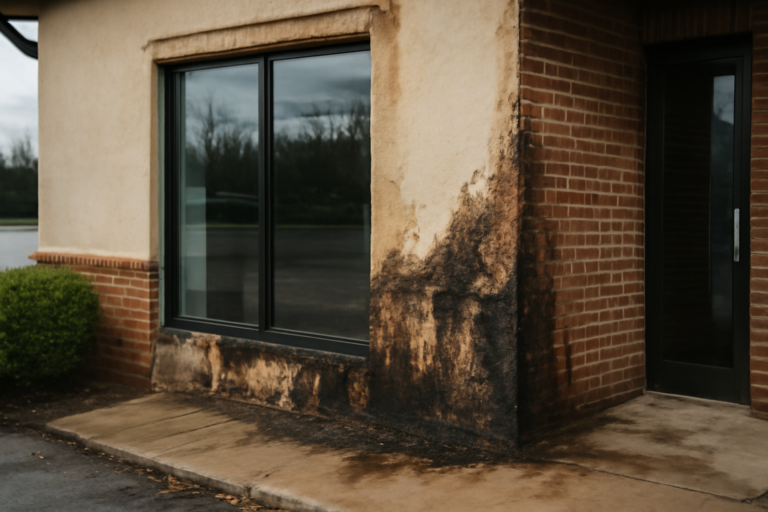

Septic Tank Backup Water Removal in Pilot Point, TX
Trusted by 135+ Homeowners
Expert Septic Tank Backup Water Removal in Pilot Point, TX
We’ve been handling septic tank backup water removal in Pilot Point, TX, for years, and our team has seen its fair share of homes affected by overflowing septic systems. We know the stress and disruption it causes, especially when it’s not just a matter of a small leak, but a full-blown backup that needs immediate attention. Our team has worked with countless homeowners in the area, and we’ve developed a deep understanding of the local conditions that can lead to septic tank failures. We’re here to help you navigate this process and get your home back to normal as quickly as possible.
With over 165+ five-star reviews, you can trust our team to provide top-notch service and expertise with septic tank backup water removal. Our technicians are IICRC-certified and have the skills and equipment to handle even the toughest jobs. We’ll work with your insurance company to ensure a smooth claims process, so you can focus on getting your home back in order.
- We’ll arrive within 60 minutes to assess the damage and start the cleanup process.
- Our team will use specialized equipment to extract water and dry out your property.
- We’ll work with you to develop a plan to prevent future backups and ensure your septic system is functioning properly.
How Our Septic Tank Backup Water Removal Process Works
With septic tank backup water removal, our team follows a meticulous process that ensures your home is restored to its original condition. We don’t cut corners or rush through the job, as this can lead to further damage and costly repairs down the line. Our process involves a thorough assessment of the affected area, followed by the use of specialized equipment to extract water and dry out your property.
Step 1: Assessment and Planning
Our team will arrive at your property and assess the damage caused by the septic tank backup. We’ll identify the source of the problem and develop a plan to address it. This may involve pumping out the septic tank, repairing any damaged pipes, or installing a new septic system.
Step 2: Water Extraction
Using specialized equipment, our team will extract as much water as possible from your property. This may involve using pumps, vacuums, and other tools to remove water from the affected area.
Step 3: Drying and Dehumidification
Once the water has been extracted, our team will use specialized equipment to dry out your property. This may involve using dehumidifiers, fans, and other tools to remove moisture from the air and speed up the drying process.
Step 4: Repair and Restoration
Once your property is dry, our team will repair any damaged areas and restore your home to its original condition. This may involve repairing or replacing damaged walls, floors, and ceilings, as well as installing new flooring and fixtures.
Step 5: Final Inspection and Cleanup
Our team will conduct a final inspection of your property to ensure that all damage has been repaired and your home is safe and secure. We’ll also clean up any remaining debris and dispose of it properly.
Don’t wait until the damage is irreversible, call us today to schedule your septic tank backup water removal service and get your home back to normal as quickly as possible.

Warning Signs You Need Septic Tank Backup Water Removal
Catching these signs early can save you money and prevent bigger problems down the line. Here are some common warning signs that show you need septic tank backup water removal:
Musty Odors That Won’t Go Away
Strong, unpleasant odors in your home or yard may show a septic system failure. These odors can be a sign of a clogged drainfield or a malfunctioning septic tank.
Slow Drains and Clogged Toilets
Slow drains and clogged toilets can be a sign of a septic system failure. This can be caused by a clogged drainfield or a malfunctioning septic tank.
Water Damage and Standing Water
Water damage and standing water in your home or yard can be a sign of a septic system failure. This can be caused by a clogged drainfield or a malfunctioning septic tank.
Greens and Vegetation Growing in Unusual Places
Greens and vegetation growing in unusual places, such as in your yard or on your roof, can be a sign of a septic system failure. This can be caused by a clogged drainfield or a malfunctioning septic tank.
Unusual Sounds and Gurgling Noises
Unusual sounds and gurgling noises coming from your septic system can be a sign of a failure. This can be caused by a clogged drainfield or a malfunctioning septic tank.
Backup of Sewage and Wastewater
A backup of sewage and wastewater into your home or yard can be a sign of a septic system failure. This can be caused by a clogged drainfield or a malfunctioning septic tank.
Septic Tank Backup Water Removal vs. DIY: When To Call a Professional
| Situation | DIY? | Call a Pro? | Why |
|---|---|---|---|
| Small leak in the septic tank | Yes | No | Small leaks can often be fixed with DIY repairs and some basic plumbing knowledge. |
| Full-blown septic tank backup | No | Yes | Full-blown backups need specialized equipment and expertise to safely and effectively clean up the mess. |
| Clogged drainfield | No | Yes | Clogged drainfields need specialized equipment and expertise to safely and effectively clear the blockage. |
| Malfunctioning septic tank | No | Yes | Malfunctioning septic tanks need specialized equipment and expertise to safely and effectively repair or replace. |
| Water damage and standing water | No | Yes | Water damage and standing water need specialized equipment and expertise to safely and effectively clean up and dry out the affected area. |
| Backup of sewage and wastewater | No | Yes | Backup of sewage and wastewater needs specialized equipment and expertise to safely and effectively clean up and restore the affected area. |
While DIY repairs can be a cost-effective solution for small leaks, full-blown septic tank backups, clogged drainfields, malfunctioning septic tanks, water damage and standing water, and backup of sewage and wastewater need the expertise and equipment of a professional to safely and effectively clean up and restore the affected area.
Septic Tank Backup Water Removal Cost In Pilot Point, TX
The cost of septic tank backup water removal in Pilot Point, TX, can vary depending on the severity of the damage, the size of the affected area, and local conditions. Our estimates range from $500 to $2,500, depending on the specific needs of your property.
| Service | Typical Price Range | What Affects Cost |
|---|---|---|
| Water extraction and cleanup | $500-$1,500 | Size of affected area, amount of water, and local conditions. |
| Septic tank pumping and repair | $1,000-$3,000 | Severity of damage, size of septic tank, and type of repair needed. |
| Drainfield clearing and repair | $1,500-$4,000 | Severity of damage, size of drainfield, and type of repair needed. |
| Water damage and drying services | $1,000-$3,000 | Size of affected area, amount of water, and local conditions. |
| Backup of sewage and wastewater cleanup | $2,000-$5,000 | Severity of damage, size of affected area, and local conditions. |
| Septic system inspection and maintenance | $500-$1,500 | Frequency of inspections, type of maintenance needed, and local conditions. |
Exact pricing will depend on an on-site assessment, and we offer free estimates to all our customers. Don’t wait until the damage is irreversible, call us today to schedule your septic tank backup water removal service and get your home back to normal as quickly as possible.
Service Areas Near Pilot Point, TX
We serve the following areas: Pilot Point, TX; Denton, TX; Lewisville, TX; Flower Mound, TX; Highland Village, TX; Corinth, TX; Lake Dallas, TX; Little Elm, TX; Frisco, TX; Plano, TX; Richardson, TX; Garland, TX; Rowlett, TX; Sachse, TX; Wylie, TX; Allen, TX; McKinney, TX; Prosper, TX; Celina, TX; Anna, TX; Van Alstyne, TX.
Common Questions About Septic Tank Backup Water Removal
Q: What causes septic tank backups?
A: Septic tank backups can be caused by a variety of factors, including clogged drainfields, malfunctioning septic tanks, and excessive water usage. Our team can help you identify the source of the problem and develop a plan to address it.
Q: How long does it take to clean up a septic tank backup?
A: The time it takes to clean up a septic tank backup can vary depending on the severity of the damage and the size of the affected area. Our team will work with you to develop a plan to get your home back to normal as quickly as possible.
Q: Is septic tank backup water removal covered by insurance?
A: Yes, septic tank backup water removal is often covered by insurance. Our team will work with your insurance company to ensure a smooth claims process and get you the compensation you deserve.
Q: How can I prevent septic tank backups?
A: There are several steps you can take to prevent septic tank backups, including regular maintenance, proper water usage, and avoiding certain household items that can harm your septic system. Our team can provide you with personalized advice and guidance to help you keep your septic system functioning properly.
Q: What equipment do you use to clean up septic tank backups?
A: Our team uses specialized equipment, including pumps, vacuums, and dehumidifiers, to safely and effectively clean up septic tank backups. We’ll work with you to develop a plan to get your home back to normal as quickly as possible.
Check Our Other Relevant Services
Serving Pilot Point, TX And Nearby Areas