Richland Hills, TX · Tarrant County
Roof Leak Water Removal in Richland Hills, TXStructural Drying Services & Wall Cavity Drying
Roof Leak Water Removal in Richland Hills includes emergency roof tarping, ceiling water damage cleanup, wall cavity drying and wet contents protection.
Answered 24/7
Roof Leak Water Removal in Richland Hills, TX
Wet ceilings, damp insulation and water running down an inside wall are all signs that a roof leak has gone past the attic floor.
Roof leak water removal is available in Richland Hills and nearby North Richland Hills, Haltom City and Watauga. The pros tarp the opening if needed, extract the water and dry the attic framing and ceiling drywall.
Attic and Ceiling Water Removal in Richland Hills
Structural Drying Services
Air movers and dehumidifiers are set up in the attic and the rooms below. Rafters, decking and joists are metered daily until they reach normal readings.
Wall Cavity Drying
Roof leaks often run down inside exterior walls. The pros check wall cavities under the leak and dry them through small holes or by removing the baseboard.
Emergency Roof Tarping
A heavy tarp is fastened over the damaged section so rain stops coming in while the inside is dried. A roofer makes the permanent repair later.
Attic Water Extraction
Water that pools on attic floors, vapor barriers or ceiling drywall is pulled out with wet vacuums and portable extractors before it soaks through to the room below.
Wet Contents Protection
Wet contents are sorted into items that can be dried and items that cannot. A photo list of each is kept for the insurance claim.
Signs of a Roof Leak in Your Richland Hills Home
Damp Baseboards on Exterior Walls
Wet or swelling baseboards under a ceiling stain mean water has traveled down the wall cavity from the attic.
Water Stains on the Ceiling
Brown or yellow rings on the ceiling, often growing after each rain, mean water is reaching the drywall from above.
Dark Spots on Attic Wood
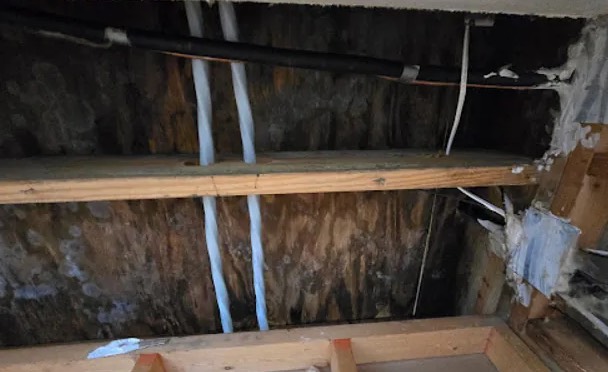
Dark streaks or spots on rafters and roof decking show where water has been running or sitting for a while.
Dripping From a Light Fixture
Water dripping from a light or ceiling fan means it has pooled above the ceiling. Turn off that circuit and keep people clear.
How Roof Leak Water Removal Works in Richland Hills
Step 1: Assess the Leak
The pros look at the roof, attic and ceilings to see how long the leak has been running and what it has soaked.
Step 2: Remove Water and Debris
Water, wet insulation and fallen drywall are cleared out so the attic and room below can dry evenly.
Step 3: Clean Wet Surfaces
Wood and drywall that stayed wet for a day or more are cleaned and treated before drying to limit odor and mold.
Step 4: Monitor Until Dry
Readings are taken on each visit and the equipment is moved as areas dry, until every wet spot reaches its target.
Where Roof Leaks Start in Richland Hills
Nail Pops and Old Penetrations
Nails that back out and holes left from old dishes or antennas open small paths for water that grow with each storm.
Open Roof Valleys
Valleys carry the most water on a roof. Worn or poorly sealed valleys let that concentrated flow into the decking.
Damaged or Missing Shingles
Wind, age and impact lift or tear shingles and leave the underlayment exposed, so rain soaks straight into the decking.
Skylight Seals
Skylight gaskets and curb flashing wear out, and water runs into the shaft and down the drywall around the opening.
Roof Leak Water Removal for Homes and Businesses in Richland Hills
Residential Roof Leak Water Removal
Persistent roof leaks can rot rafters and roof decking. The pros dry the framing and point out any wood that looks soft so the roofer can replace it.
Commercial Roof Leak Water Removal
In multi-tenant buildings, water from one roof leak can reach several floors. The pros trace it down through each level and dry every space it reached.
When a Roof Leak Is Too Big for DIY
A wet-dry vacuum can pick up water from hard floors you can reach safely. Household vacuums are not made for water and can shock you.
Pricing Roof Leak Water Removal in Richland Hills
The cost of roof leak water removal in Richland Hills depends on how much of the attic and ceiling got wet, how much insulation must come out and how many days drying takes.
Emergency Tarping
If the roof needs a tarp before drying can start, the materials and labor for that step add to the bill.
Drying Time
Each extra day of air movers, dehumidifiers and moisture checks adds to the cost, so wet wood that dries slowly costs more.
Insulation Removal
Bagging and hauling soaked insulation takes labor, and the attic needs new insulation once the framing is dry.
Does Insurance Cover Roof Leak Water Removal?
Coverage often depends on what caused the leak. Storm damage is more likely to be covered than a leak from shingles that wore out over years.
Why Roof Leaks Need Professional Drying in Richland Hills
Notes for the Roofer
The entry point and the path the water took are documented so the roofer knows exactly where to look.
Records for Your Claim
Photos, readings and a materials list give your adjuster a clear picture of what the roof leak damaged.
One Job, Start to Finish
Tarping, extraction, insulation removal and drying happen in order, so each step is not left waiting on another company.
Emergency Attic Water Removal in Richland Hills
If a roof leak is dripping into your home right now, turn off power to wet fixtures and call (945) 326-0045. Help is available day and night.
Call Now (945) 326-0045Local Roof Leak Water Removal Coverage for Richland Hills
A stained ceiling in Richland Hills often means water is sitting in the attic. Local water extraction experts help homes here and in nearby North Richland Hills, Haltom City and Watauga.
- Roof Leak Water Removal in North Richland Hills
- Roof Leak Water Removal in Haltom City
- Roof Leak Water Removal in Watauga
- Roof Leak Water Removal in Hurst
- Roof Leak Water Removal in Bedford
- Roof Leak Water Removal in Colleyville
- Roof Leak Water Removal in Euless
- Roof Leak Water Removal in Saginaw
- Emergency Damage Restoration in 76118
- Storm Damage Restoration in 76118
- Water Damage Restoration in 76118
- Water Extraction Service in 76118
- Water Leak Detection in 76118
- Water Removal Service in 76118
FAQ: Roof Leaks, Attics and Ceilings
How is water removed from an attic?
Standing water is pulled out with wet vacuums and extractors, then soaked insulation is removed so the ceiling and framing can be dried.
Can a roof leak cause mold in the attic?
Yes, if the wood and insulation stay wet. Prompt extraction and drying, plus removing soaked insulation, keep the attic from staying damp long enough for mold.
Why should rainwater be removed from the attic quickly?
Water in the attic soaks through the ceiling into the rooms below and keeps the framing wet. Removing it early limits drywall and insulation losses.
Does every roof leak lead to mold?
No. Mold needs materials to stay wet for a day or more. When water is removed and the attic is dried promptly, mold usually does not take hold.
What is roof leak water removal?
It is the work of getting rainwater out of the attic, ceiling, walls and floors after a roof leak and drying the structure. The roof repair itself is done by a roofer.