Denton, TX · Denton County
Office Building Water Extraction in Denton, TXOffice Building Flood Cleanup & Commercial Carpet Water Extraction
Office Building Water Extraction in Denton handles office building flood cleanup, commercial carpet water extraction and wet drywall removal.
Answered 24/7
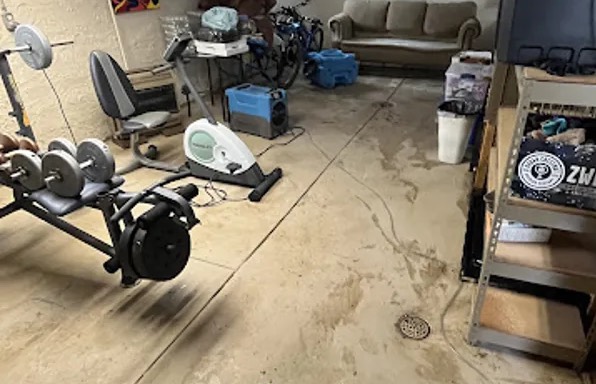
Office Building Water Extraction for Denton Businesses
In Denton, office water damage often comes from rooftop HVAC units, failed water heaters in restrooms and break-room appliances.
Office building water extraction is available in Denton and nearby Corinth, Krum and Argyle. The pros handle glue-down carpet, drop ceilings and metal-stud walls common in offices.
What Office Water Extraction Covers in Denton
Office Building Flood Cleanup
When water covers a whole floor, pumps and extractors remove it room by room, starting with server rooms, stairwells and main corridors.
Commercial Carpet Water Extraction
Carpet tiles that stayed wet too long or came up from the adhesive are removed and stacked for replacement. The slab under them is dried before new tiles go down.
Ceiling Leak Water Removal
Wet acoustic tiles are removed, water on top of the grid is extracted and the plenum above is dried so the leak does not keep dripping onto desks.
Wet Drywall Removal
Office partition walls often have metal studs and insulation that holds water. Removing the bottom strip of drywall lets air reach the cavity.
Office Records Water Protection
Electronics are unplugged and moved out of the water first. The pros list and photograph wet equipment so IT and the insurer can review it.
Signs Your Denton Office Needs Water Extraction
Rising Water Bill
A water bill that climbs with no change in use can point to a hidden leak in walls, ceilings or under the slab.
Loose or Lifting Carpet Tiles
Carpet tiles that shift or curl at the edges usually mean water has softened the adhesive underneath them.
Wet or Squishy Carpet
Carpet that feels damp or makes a squishing sound underfoot means water is in the backing or sitting on the slab beneath it.
Swollen Baseboards
Baseboards that swell, split or pull from the wall show that water has wicked up into the drywall behind them.
How Office Building Water Extraction Works in Denton
Step 1: Safety and Source Check
Power to wet areas is shut off, the source of the water is stopped and people are kept away from sagging ceilings.
Step 2: Emergency Office Water Extraction
Standing water is removed from carpet, hard floors and the space under cabinets with portable or truck-mounted extractors.
Step 3: Remove Wet Materials
Ceiling tiles, the lower strip of soaked drywall and carpet tiles that came loose are removed so the structure can dry.
Step 4: Drying and Readings
Air movers and dehumidifiers run while the pros take daily readings, until floors and walls match dry parts of the building.
Typical Sources of Commercial Water Damage in Denton
Sewer Backups
A blocked building drain can push sewage up through floor drains and restroom fixtures on the lowest level.
Water Heater Failure
Tank water heaters in utility closets can rust through and leak into nearby offices and storage rooms.
HVAC Condensate Overflow
Clogged condensate drains on air handlers and rooftop units overflow into ceilings and walls during cooling season.
Burst Supply Lines
Restroom and break-room supply hoses can split without warning and run for hours, especially overnight or on weekends.
Water Extraction for Offices, Home Workspaces and Mixed-Use Buildings in Denton
Residential Water Extraction
Home offices and live-work units get the same care as any home: water is removed from carpet and walls, and computers and paperwork are moved out of the wet area first.
Office Building Water Extraction
In multi-tenant office buildings, the pros dry each affected suite and keep separate moisture logs and photos, which helps the building owner and each tenant's insurer.
DIY Limits for Office Water Damage in Denton, TX
Do not use regular vacuums or carpet cleaners on wet office carpet. They are not built for water, and electrical risk is high around floor boxes.
Factors in Office Water Extraction Pricing in Denton
Leaks that reach more than one floor cost more because each level needs its own extraction, drying setup and set of records.
Ceilings and Walls
Wet ceiling tiles, plenum insulation and the lower strip of drywall add removal and drying time to the job.
Work Hours
Night and weekend extraction to keep the office open can carry a higher rate than work done during business hours.
Flooring Type
Glue-down carpet and carpet tiles take more extraction passes than sealed concrete or vinyl, and some tiles may need replacement.
Does Insurance Cover Office Building Water Extraction?
Insurance may pay for extraction and drying after a covered office leak. Your insurer decides coverage, so check your policy and deductible.
Why Call Local Commercial Water Removal Pros for Office Building Water Extraction in Denton
Contents Handled With Care
Computers, files and furniture are moved or blocked up first, so they are not damaged while water is removed.
Fewer Closed Rooms
Drying is planned in zones and around work hours, so staff can keep using dry parts of the office while the rest is worked on.
Night and Weekend Work
Extraction can happen after hours so fewer people are disturbed and the office reopens with less downtime.
Emergency Office Water Removal in Denton, TX
Office flooding in Denton? Call (945) 326-0045 for emergency extraction and drying of carpet, walls and ceilings, any time of the day or night.
Call Now (945) 326-0045Local Office Building Water Extraction for Denton and Surroundings
From Denton to Corinth, Krum and Argyle, office water losses follow the same order: stop the source, remove the water and dry the space.
- Office Building Water Extraction in Corinth
- Office Building Water Extraction in Krum
- Office Building Water Extraction in Argyle
- Office Building Water Extraction in Highland Village
- Office Building Water Extraction in Sanger
- Office Building Water Extraction in Flower Mound
- Office Building Water Extraction in Little Elm
- Office Building Water Extraction in Aubrey
- Emergency Damage Restoration in 76201
- Storm Damage Restoration in 76201
- Water Damage Restoration in 76201
- Water Extraction Service in 76201
- Water Leak Detection in 76201
- Water Removal Service in 76201
- Emergency Damage Restoration in 76202
- Storm Damage Restoration in 76202
FAQ: Water Extraction for Office Buildings
What safety steps are taken during office water extraction?
Power to wet areas is shut off, sagging ceiling tiles are removed and walkways are kept clear of hoses and cords.
Does water extraction stop mold in an office?
Fast extraction and drying are the main way to keep mold from starting. Materials that stay wet for more than a day or two are at higher risk.
How long does it take to dry an office after a leak?
Most offices dry in three to five days, depending on how much water there was and the type of flooring and walls. Readings decide when it is done.
Do ceiling tiles always need to be replaced?
Stained or sagging tiles are usually replaced, since they are hard to clean and easy to swap out. The drywall and insulation above them are dried.
What should staff do first when they find water?
Shut off the water if possible, unplug equipment in the area, move files and laptops and call (945) 326-0045 for extraction.