Flower Mound, TX · Denton County
Museum Damage Restoration in Flower Mound, TXHVAC System Water Damage Restoration & Archival Document Drying Services
In Flower Mound, Museum Damage Restoration encompasses exhibit fire damage cleanup, archival document drying services, and sewage backup cleanup.
Answered 24/7
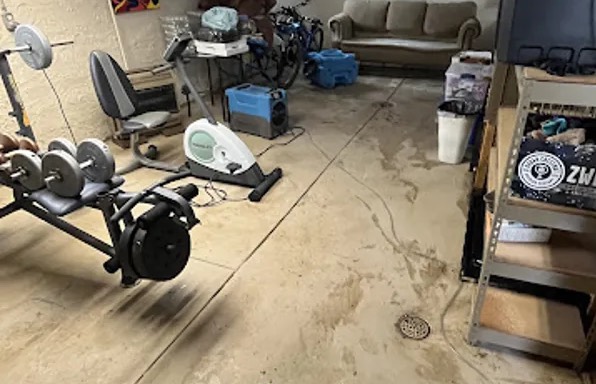
Professional Museum Damage Restoration in Flower Mound, TX
For museums in Flower Mound, damage restoration involves protecting vulnerable items from sewage, storm, or fire damage. These disasters require immediate attention to prevent mold growth and structural issues that could close exhibits indefinitely.
Museum damage restoration in Flower Mound and nearby areas like Trophy Club, Southlake and Grapevine addresses risks to cultural institutions. Local museum damage pros clean water-damaged artifacts and remove mold from museums.
Detailed Museum Damage Restoration Offerings in Flower Mound
HVAC System Water Damage Restoration
Climate control recovery restores the exact temperature and humidity collections need. This involves drying, cleaning, and recalibrating HVAC units and environmental monitoring equipment.
Archival Document Drying Services
The drying process for wet archives involves careful handling and separation of pages to avoid blocking and adhesion.
Storm Damage Structural Drying
Structural drying protects the building envelope, which is often historic itself. Moisture is removed with as little demolition of original materials as possible.
Exhibit Fire Damage Cleanup
Exhibit fire damage cleanup removes soot, smoke residue and firefighting water from displays and artifacts, using gentle cleaners that do not harm sensitive surfaces.
Museum Artifact Salvage
Pack-out is needed when the building is unstable or needs major repairs. It allows restoration work on the building to proceed while artifact recovery happens simultaneously in a dedicated space.
Warning Signs You Need Museum Damage Restoration in Flower Mound
Pooled Water in Collection Storage
Standing water near artifact storage is an emergency. Fast water extraction for art collections prevents irreversible harm.
Sewage Odor in Public Restrooms
Foul smells near plumbing fixtures can indicate a backup. Sewage backup cleanup in museums prevents contamination of nearby galleries.
Soot Deposits After a Small Fire
Fine black dust on artifacts after a fire is soot, which needs careful cleaning to avoid staining.
Musty Odors in Exhibit Halls
A persistent earthy smell often indicates hidden mold growth. Museum mold remediation is needed to protect air quality and collections.
How Museum Damage Restoration Works in Flower Mound
Step 1: Initial Site Evaluation and Triage
Pros evaluate the disaster scene to triate the most vulnerable artifacts for immediate salvage. They establish a safe work zone to protect collections.
Step 2: Emergency Museum Drying Services
Rapid deployment of drying technology begins to control humidity. This keeps water-damaged paper, textiles and wood from swelling permanently.
Step 3: Museum Mold Remediation Process
If mold is present, pros implement containment and air filtration. They safely remove mold from surfaces using IICRC-standard methods to protect air quality.
Step 4: Final Verification and Pack-Out
Pros verify dryness with sensors and document the restored environment. Museum artifact salvage and pack-out services are arranged for items needing further conservation.
What Causes Damage in Flower Mound Museums
HVAC Condensation Line Failures
Clogged or broken drain lines can leak water into walls, where hidden moisture leads to mold.
Chronic High Indoor Humidity
Faulty climate control promotes mold growth on organic collections. Museum mold remediation corrects the issue and treats affected materials.
Roof Leaks During Heavy Rain
Old roofing or storm damage can let water drip onto exhibits and stored collections.
Fire Suppression System Discharge
Accidental sprinkler activation or firefighting efforts soak collections. Exhibit fire damage cleanup addresses both water and soot residues.
Museum Damage Restoration for Public and Private Collections in Flower Mound
Water Damage Help for Homes
While Museum Damage Restoration typically serves public institutions, private collectors in Flower Mound face similar risks. Water from a leaky roof or burst pipe can ruin a personal art collection.
Museum Damage Restoration for Owners and Managers
Museums, archives, and historical societies in Flower Mound require specialized disaster response. A sewage backup or fire can threaten irreplaceable cultural assets.
Museum Damage Restoration vs. DIY: When to Call Local Pros
If you suspect mold growth on a non-porous surface away from collections, you can clean it with a detergent solution. For any mold on or near artifacts, display cases, or archival boxes, do not disturb it. Disturbance spreads spores. Museum mold remediation requires containment and professional removal.
Understanding Museum Damage Restoration Cost in Flower Mound
Pricing for museum damage restoration in Flower Mound depends on the damage source, such as contaminated sewage versus clean water, and the square footage of affected exhibit and storage areas. Structural drying needs are assessed.
Emergency Service Timing
A response outside standard hours may involve different service rates due to after-hours mobilization of local water damage pros and equipment.
Extent of Water Intrusion
A localized leak in a storage room costs less to address than widespread flooding that affects multiple gallery levels and climate control systems.
Mold Remediation Scope
Visible mold on display cases is a smaller project than systemic museum mold remediation within wall cavities and air handling units.
Does Insurance Cover Museum Damage Restoration?
Determining if insurance covers fire damage restoration for museums requires reviewing your policy. Specialists document the soot and water damage extensively. It is your responsibility to file the claim and confirm coverage specifics with your insurance agent.
Benefits of Local Pros for Museum Damage Restoration in Flower Mound
Climate-Controlled Drying
Temperature and humidity must be controlled. This technique is used in archival document drying services to prevent warping, mold, and other secondary damage.
HVAC Decontamination
Systems are cleaned to protect air quality. HVAC system water damage restoration helps prevent mold circulation after a flood or sewage event.
24/7 Emergency Response
Museum collections need fast action. The pros are available around the clock to begin water extraction for art collections and stabilize the environment.
Emergency Museum Disaster Response in Flower Mound
Wet historic artifacts need attention right away. To initiate historic artifact water damage cleanup and prevent further loss, contact the experts for help. Call (945) 326-0045 for emergency assistance in Flower Mound.
Call Now (945) 326-0045Museum Damage Restoration Available Across the Flower Mound Region
The pros help museums across Flower Mound, protecting collections and the building, and also serve nearby Trophy Club, Southlake and Grapevine.
Frequently Asked Museum Damage Restoration Questions
What are emergency response priorities for museum disasters?
Make the site safe, stop the damage source, stabilize the environment and protect the most vulnerable items first.
How is exhibit fire damage cleanup handled?
The process involves soot removal from surfaces and artifacts, odor neutralization, and addressing any water used by firefighting. Special cleaning agents are used on sensitive display materials.
How is water extraction performed for art collections?
Water extraction for art collections uses low-suction tools and blotting techniques near delicate items, followed by ambient drying in a controlled humidity setting to prevent shock.
What does museum artifact salvage and pack-out entail?
It involves carefully inventorying, stabilizing, and packing damaged items for secure transport to a controlled off-site facility for further restoration and drying, prioritizing fragile pieces.
What is the goal of historic artifact water damage cleanup?
Items are stabilized by removing moisture and stopping corrosion or mold, then prepared for conservation.