Flower Mound, TX · Denton County
Mold Prevention Coatings in Flower Mound, TXMold Control Paint Services & Mold Prevention Treatment Services
Mold Prevention Coatings in Flower Mound, TX include mold resistant paint application, mold control paint services and mold prevention treatment services.
Answered 24/7
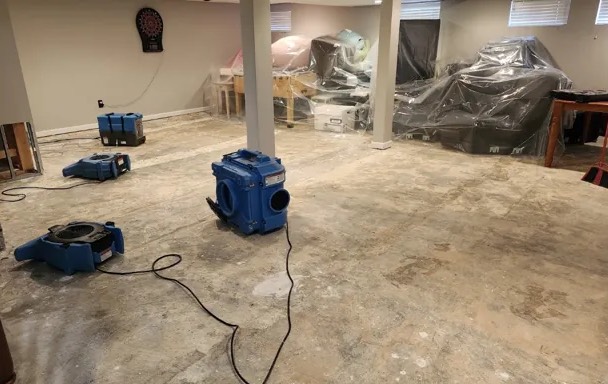
Local Mold Prevention Coatings for Flower Mound Homes and Businesses
In Flower Mound, Mold Prevention Coatings are a smart investment to avoid mold-related damage and air quality decline, particularly after past water problems.
Mold prevention coatings help properties in Flower Mound and nearby areas like Trophy Club, Southlake and Grapevine resist moisture. Local mold prevention pros apply mold-resistant paint and coatings to walls, ceilings and bathrooms. It protects indoor air and the structure.
Professional Mold Prevention Coatings Applications for Flower Mound
Mold Control Paint Services
Mold-resistant paints contain additives that help surfaces resist mold, which is useful in bathrooms and other damp rooms.
Mold Prevention Treatment Services
Mold prevention treatment services provide a chemical barrier against fungal growth. Restoration experts use these treatments in moisture-prone areas.
Wall Mold Prevention Coatings
Mold prevention for walls and ceilings involves applying resistant coatings. The pros treat high-humidity rooms to create a protective surface layer.
Crawl Space Mold Coatings
Crawl space mold prevention involves coating surfaces with specialized products. Established application steps treat the space to reduce potential mold issues under the home.
Bathroom Mold Prevention Coatings
Bathroom mold prevention coatings protect ceilings and walls exposed to daily steam. The pros apply moisture-resistant, antimicrobial coatings after cleaning and drying the surface in Flower Mound homes.
Warning Signs You Need Mold Prevention Coatings
Staining on Grout or Caulk
Discolored, pink, or black lines appear in bathroom tile grout or shower caulking. These are common areas for mold to establish due to routine moisture.
High Indoor Humidity Levels
Your home consistently feels clammy, or a hygrometer reads above 60 percent relative humidity. Elevated humidity is a primary driver for mold proliferation.
Recent Water Damage History
Your home had a past leak, flood, or plumbing issue that was dried but not treated. Mold can regrow in these previously affected areas.
Health Symptoms Improve When Away
Headaches, fatigue, or sinus congestion clear up when you leave the house for several hours. This pattern strongly suggests an indoor allergen like mold.
How Mold Prevention Coatings Work in Flower Mound
Step 1: Surface Inspection and Assessment
The pros begin by examining walls, ceilings, and substrates for existing moisture, damage, and contamination. This determines the correct preparation method and coating type needed.
Step 2: Surface Preparation and Cleaning
All surfaces are thoroughly cleaned to remove dust, grease, and any mold. Pros may sand or repair damaged areas to create a sound, clean base for the mold resistant coating.
Step 3: Application of Mold Resistant Primer
A specialized anti mold primer is applied first to seal the surface and enhance adhesion. The primer is key to how well the topcoat performs.
Step 4: Mold Prevention Coating Application
The final mold-resistant coat is applied in even layers. Pros use techniques suited for corners, edges, and textured surfaces to form a continuous barrier.
Factors Contributing to Mold in Flower Mound Structures
Chronic High Humidity
Consistently elevated indoor moisture from climate, cooking, or drying clothes indoors provides the dampness mold needs to grow on surfaces.
Poor Ventilation in Wet Rooms
Bathrooms and laundry rooms lacking exhaust fans trap steam and moisture. This stagnant air allows condensation to settle on walls and ceilings.
Condensation on Cold Surfaces
Warm, humid air contacting colder exterior walls, pipes, or windows forms water droplets. This creates localized wet areas ideal for mold.
Plumbing Leaks Behind Walls
Slow drips from supply lines, drains, or HVAC condensation pans inside wall cavities create hidden, persistent dampness that fosters mold growth.
Mold Prevention Coatings for Homes and Businesses in Flower Mound
Residential Mold Prevention Coatings
Whole-house treatment protects every area, not just one room. Pros evaluate attic ventilation, crawl space vapor barriers, and wall cavity moisture to apply a holistic mold prevention plan. It treats the whole home, not just visible surfaces.
Commercial Mold Prevention Coatings
Office buildings and apartment buildings often add a protective coating after mold cleanup. The experts apply it to affected areas once they are dry.
Mold Prevention Coatings: DIY Limitations and When to Call Pros
After a minor spill or leak, dry the area thoroughly within 24-48 hours using fans and absorbent materials. Dispose of any irreparably wet porous items like cardboard or carpet padding.
Understanding Mold Prevention Coatings Pricing in Flower Mound
In Flower Mound, cost depends on the square footage to be coated, since larger areas take more material and labor.
Surface Area Size
The total square footage of walls, ceilings, or other surfaces in Flower Mound that need the mold resistant coating directly scales the material and labor required.
Area Accessibility
Hard-to-reach spaces like tight corners or behind appliances in Flower Mound homes slow down the mold prevention treatment process, affecting labor duration.
Local Labor Rates
Prevailing rates for the pros in Denton County for applying mold resistant paint are a standard component of the service estimate.
Does Insurance Cover Mold Prevention Coatings?
For mold prevention coating application after a loss, coverage decisions rest with the insurer. If the work is deemed a necessary part of restoring the home to a pre-loss condition, it might be included.
Benefits of Local Pros for Mold Prevention Coatings in Flower Mound
Moisture Mitigation Guidance
Along with coating application, you may receive information on addressing underlying humidity sources to support the mold prevention solutions.
Detailed Surface Assessment
An evaluation identifies existing moisture levels and conditions to determine the necessary prep work before any mold prevention treatment begins.
Post-Remediation Focus
Special attention is given to areas recently cleaned of mold, applying coatings designed to support long-term mold prevention after water damage.
Round-the-Clock Mold Prevention Coatings for Flower Mound Emergencies
When water damage leaves surfaces at risk of mold, call (945) 326-0045. The pros can explain the steps for drying, cleaning and coating the affected areas.
Call Now (945) 326-0045Mold Prevention Coatings Coverage Area Including Flower Mound
In Flower Mound, mold prevention coatings involves applying protective coatings to vulnerable surfaces in homes and buildings. These mold prevention services are also provided for properties in nearby areas like Trophy Club, Southlake and Grapevine, helping to manage moisture-related risks.
Frequently Asked Questions About Mold Prevention Coatings
How long does mold prevention coating application take?
The time depends on the area size and preparation needed; applying mold resistant coating typically requires adequate drying time between coats, often spanning a day or more.
Is surface preparation needed before mold prevention treatment?
Yes, surfaces must be clean and dry with no mold present, and any active growth must be remediated before coating.
How does mold resistant paint work?
Mold resistant paint incorporates antimicrobial agents that disrupt mold's ability to grow and colonize on the dried paint film, providing a surface less hospitable to spores.
How effective is mold control paint for bathrooms?
Mold-control paint helps in bathrooms, but it must be paired with good ventilation to control the moisture that feeds mold.
When is post-remediation mold prevention recommended?
It is recommended after any significant mold remediation project or water damage repair to add a protective layer on cleaned surfaces, helping to reduce the risk of recurrence.