Flower Mound, TX · Denton County
Manufacturing Facility Damage Restoration in Flower Mound, TXIndustrial Sewage Backup Cleanup & Manufacturing Plant Mold Remediation
Manufacturing Facility Damage Restoration in Flower Mound addresses manufacturing facility water extraction, industrial sewage backup cleanup, and manufacturing plant mold remediation after a disaster.
Answered 24/7
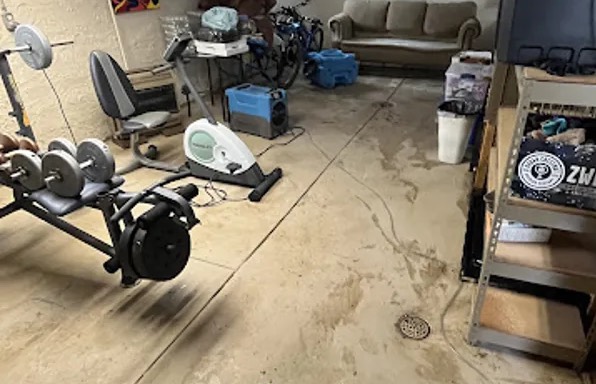
Professional Manufacturing Facility Damage Restoration in Flower Mound, TX
Water damage to manufacturing equipment presents a high-cost threat for businesses in Flower Mound, risking both capital investment and production schedules. Production equipment should be dried and repaired quickly.
Commercial building water damage repair in a manufacturing context often involves specialized systems and high-value assets. In Flower Mound, industrial water extraction experts repair water-damaged equipment and clean up sewage backups. Restoration follows industry standards.
Manufacturing Facility Damage Restoration Offerings in Flower Mound, TX
Industrial Sewage Backup Cleanup
Dealing with a sewage spill in a plant involves more than just water removal. The cleanup process includes extracting the contaminated liquid, disposing of affected porous materials, and applying disinfectants to all hard surfaces to prevent microbial mold.
Manufacturing Plant Mold Remediation
Industrial mold remediation focuses on areas with chronic moisture, like near process cooling lines. The procedure involves removing affected drywall or insulation, thoroughly drying the structure, and applying sealants to create a barrier against moisture recurrence.
Industrial Structural Drying
A methodical plan for structural drying in large plants positions industrial air movers and dehumidifiers. Air movers push air across high ceilings and insulated wall assemblies.
Manufacturing Facility Water Extraction
Industrial extractors pull water from concrete slabs and production areas after a plant flood to limit damage to machinery and stock.
Factory Storm Water Removal
After severe weather, storm water can breach loading bay doors or roof systems. The pros focus on water removal from factory floors to prevent slip hazards and protect raw materials stored at ground level from water damage.
Signs a Plant Needs Manufacturing Facility Damage Restoration
Contaminated Process Water
Discolored or dirty water from taps or process lines points to contamination.
Soggy Insulation or Building Materials
Wet ceiling tiles, damp insulation, or saturated drywall in a commercial building hinder operations and require water damage repair.
Electrical Malfunctions or Sparks
Short circuits, tripped breakers, or sparks in a factory after a flood warn of dangerous fire damage cleanup risks.
Water Stains on Equipment
Rust marks or discoloration on manufacturing equipment are clear signs of past or ongoing water exposure and potential damage.
How Manufacturing Facility Damage Restoration Works in Flower Mound
Step 1: Site Assessment and Scope
Pros perform a thorough walk-through to assess all water, fire, or mold damage, scoping the full manufacturing facility water damage restoration needed.
Step 2: Contaminated Water Cleanup
For sewage or storm water, the area is cleaned and disinfected before drying continues.
Step 3: Manufacturing Equipment Drying
Sensitive machinery is carefully dried using controlled methods to prevent corrosion and get your production line back online quickly.
Step 4: Air Quality Restoration
Air scrubbers clean the atmosphere of particles and odors, a final touch for factory fire damage cleanup and overall environmental recovery.
Causes of Manufacturing Facility Damage from Water
Process Equipment Malfunctions
Cooling towers, boilers, or machining coolant systems can leak, spilling water directly onto floors and other manufacturing equipment.
Sprinkler Irrigation System Faults
Landscape watering systems near the building can malfunction, directing water into the structure and necessitating industrial water extraction.
Sewer Line Backups or Overflows
Sewer problems or internal blockages can push contaminated water into a factory.
Burst or Leaking Supply Pipes
High-pressure water lines or aged plumbing within an industrial facility can fail, flooding production areas and causing extensive water damage.
Manufacturing Facility Damage Restoration for All Facility Types in Flower Mound
Water Damage Help for Homes
Storm damage to a house typically affects the roof, siding, and windows, with water entering attics and walls. Restoration involves drying structural cavities, repairing exterior breaches, and addressing any moisture trapped within insulation or framing materials.
Manufacturing Facility Damage Restoration for Owners and Managers
Commercial storm damage restoration for a manufacturing plant addresses vast roof areas, loading docks, and vulnerable skylights. The aim is to seal the building and avoid business interruption.
Why DIY Fails for Manufacturing Facility Damage Restoration in Flower Mound
You can photograph and video all affected areas, equipment and inventory for your claim before cleanup. Do not try to extract large amounts of water or move heavy machinery yourself.
Estimating Manufacturing Facility Damage Restoration Expenses for Flower Mound Plants
In Flower Mound, the cost of water extraction or storm restoration reflects the size of the job. It includes the equipment deployed for industrial structural drying and any necessary mold remediation.
Mold Remediation Scope
If manufacturing plant mold remediation is required, the cost includes containment, air filtration, removal of affected materials, and applying antimicrobial agents.
Affected Square Footage
The total area to dry, including production floors, warehouses and offices, is the main cost driver.
Material Removal and Disposal
Costs include the removal and proper disposal of damaged inventory, saturated insulation, ruined drywall, or materials affected during factory fire damage cleanup.
Does Insurance Cover Manufacturing Facility Damage Restoration?
Coverage for manufacturing plant restoration after water, fire, or mold damage depends on the policy's cause and provisions. Your insurer decides coverage, so report the loss and discuss flood restoration with them.
Why Choose Local Industrial Water Extraction Experts for Manufacturing Facility Damage Restoration in Flower Mound
Structural Drying Focus
Structural drying keeps the building dry and prevents mold and structural problems.
Comprehensive Service Range
The experts handle everything from water extraction to fire cleanup in one job.
Industrial-Grade Equipment
The pros bring truck-mounted extractors, industrial dehumidifiers and tools sized for large plants.
Around-the-Clock Manufacturing Facility Damage Restoration for Flower Mound Plants
Emergency manufacturing plant mold remediation or fire damage cleanup requires early professional help. Reach the pros at (945) 326-0045 anytime to secure your property and begin recovery.
Call Now (945) 326-0045Manufacturing Facility Damage Restoration for Flower Mound, Trophy Club, Southlake and Grapevine
Manufacturing facility water damage restoration and related services protect significant industrial investments in Flower Mound. The experts work here and in nearby communities like Trophy Club, Southlake and Grapevine.
Manufacturing Facility Damage Restoration FAQs for Flower Mound Business Owners
How quickly should I respond to water in my factory?
Right away. Standing water can damage electrical systems, inventory and equipment bases within hours.
What is included in manufacturing plant disaster recovery?
Disaster recovery encompasses the full sequence: emergency response, damage mitigation, detailed drying, soot or mold cleanup, reconstruction, and returning the facility to operational status.
Is factory water extraction different from home water removal?
Yes, it requires more powerful equipment for larger volumes, often addresses chemical contaminants, and must consider complex building layouts and sensitive industrial assets.
How does industrial fire damage cleanup work?
The process includes securing the site, removing soot and smoke residues from surfaces and machinery, deodorizing, and addressing any water damage used to extinguish the fire.
What tools are used for industrial water extraction?
Professionals use truck-mounted extractors, submersible pumps, industrial wet/dry vacuums, and moisture detection tools like thermal cameras and hygrometers for large-scale water removal.