Corinth, TX · Denton County
Hydrostatic Pressure Water Removal in Corinth, TXSlab Leak Water Removal & Groundwater Intrusion Mitigation
Hydrostatic Pressure Water Removal in Corinth covers groundwater intrusion mitigation, wet subfloor removal and crawl space water extraction.
Answered 24/7
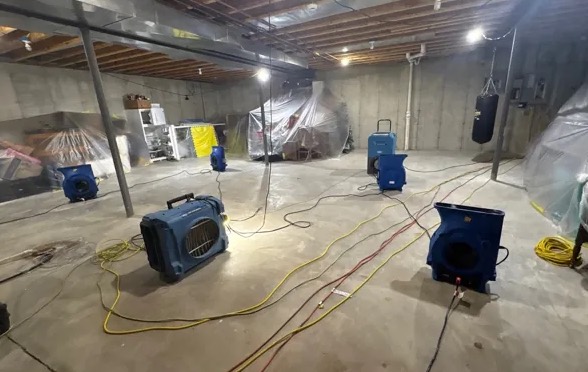
Professional Hydrostatic Pressure Water Removal in Corinth, TX
In Corinth homes, water pushed in by soil pressure can keep subfloors and framing damp long after the puddles are gone, which leads to rot and mold.
Comprehensive Hydrostatic Pressure Water Removal Solutions
Slab Leak Water Removal
Water pooling on a concrete slab often indicates a plumbing leak or hydrostatic pressure forcing moisture upward.
Groundwater Intrusion Mitigation
Repeated groundwater problems need two steps: remove the water now, then have a contractor look at drainage, grading or downspouts sending water to the foundation.
Wet Subfloor Removal
Subfloor that stayed soaked after a groundwater flood may have to be removed. The water is extracted, the damaged sections cut out and the area dried for new material.
Slab Seepage Water Removal
Slab seepage water removal clears water that soil pressure forces through joints and cracks in the slab, then the flooring and baseboards are checked with moisture meters.
Crawl Space Water Extraction
A wet crawl space soaks joists, insulation and wiring. Submersible pumps and extractors remove the standing water, then the space is dried.
Signs of Hydrostatic Pressure Water Damage in Corinth
Warped or Buckling Flooring
Flooring that warps or buckles near walls can mean water is coming up from below and the subfloor is wet.
Gurgling Sounds From Floor Drains
Gurgling floor drains during heavy rain can mean water pressure is building in the drain lines around the house.
Efflorescence on Concrete Surfaces
White, chalky deposits on foundation walls or the slab show water has been pushing through the concrete.
Pooling Water in Crawl Space
Standing water in a crawl space is a clear sign water is getting in and needs to be removed.
How Hydrostatic Pressure Water Removal Works in Corinth
Step 1: Safety and Hazard Assessment
The area is made safe and electrical hazards are checked before any water removal starts.
Step 2: Foundation Crack Water Infiltration Stop
Water coming through cracks is managed with pumps while the area dries, and the cracks are noted for a foundation contractor.
Step 3: Advanced Drying System Setup
Desiccant dehumidifiers and injectidry systems are installed to dry deep within building materials. This equipment pulls moisture out of concrete, wood and insulation.
Step 4: Post-Restoration Integrity Check
A final check confirms the lower level is dry, and the readings are shared with you.
Common Causes of Water Damage in Corinth
Soil Expansion and Contraction
Clay soil swells when wet, adding pressure on foundation walls and opening paths for water.
Clogged or Collapsed Footing Drains
When perimeter drains clog or fail, water has nowhere to go and presses against the walls and slab.
Poor Exterior Drainage Systems
Clogged gutters, downspouts and poor grading send water toward the foundation, where it builds pressure in the soil.
Heavy or Prolonged Rainfall
Long periods of rain soak the soil, and the water presses against the foundation until it finds a way in.
Hydrostatic Pressure Water Removal for Foundation Protection
Residential Hydrostatic Pressure Water Removal
In homes, groundwater pushed through a wall or slab can soak flooring and drywall. Fast extraction and drying keep the damage from spreading to walls and stored items.
Commercial Hydrostatic Pressure Water Removal
Restaurants, medical offices, and other sensitive environments require meticulous groundwater extraction and sanitization after water intrusion. Specialized water removal pros ensure these spaces meet strict hygiene standards.
Hydrostatic Pressure Damage: DIY Risks vs. Professional Hydrostatic Pressure Water Removal
Checking known foundation cracks for changes in width or new moisture is a reasonable DIY task. If water starts flowing through any crack, stop monitoring and call for water removal and repair right away.
Budgeting for Hydrostatic Pressure Water Removal in Corinth
The cost of hydrostatic pressure water removal in Corinth depends on how much of the lower level flooded and how much water came in.
Mitigation Measures
Drainage or waterproofing work to stop water from returning is a separate cost from the water removal.
Water Source Type
A slow slab seep and a sudden flood through a wall crack need different approaches and equipment.
Required Drying Time
The number of days the structure takes to dry is a large part of the cost.
Does Insurance Cover Hydrostatic Pressure Water Removal?
Coverage for structural drying depends on your policy's limits and exclusions. Local hydrostatic pressure experts provide moisture maps and drying logs, so check the details with your agent.
Advantages of Hiring Local Pros for Hydrostatic Pressure Water Removal in Corinth
IICRC-Standard Drying Methods
Drying the structure fully after water intrusion protects the foundation and framing from lasting damage.
Focused Mitigation Planning
You get notes on where water came in, so you can plan drainage work with a contractor.
Detailed Documentation
Photos and moisture logs of the work are kept to support your insurance claim.
Round-the-Clock Hydrostatic Pressure Water Removal in Corinth, TX
Emergency groundwater intrusion cleanup is available around the clock for properties in Corinth, by calling (945) 326-0045. The experts pump out crawl spaces and start drying.
Call Now (945) 326-0045Hydrostatic Pressure Water Removal for Corinth and Nearby Communities
Help with hydrostatic pressure water removal is available for properties in Corinth and nearby Highland Village, Denton and Argyle.
- Hydrostatic Pressure Water Removal in Highland Village
- Hydrostatic Pressure Water Removal in Denton
- Hydrostatic Pressure Water Removal in Argyle
- Hydrostatic Pressure Water Removal in Little Elm
- Hydrostatic Pressure Water Removal in Lewisville
- Hydrostatic Pressure Water Removal in Flower Mound
- Hydrostatic Pressure Water Removal in Aubrey
- Hydrostatic Pressure Water Removal in The Colony
Hydrostatic Pressure Water Removal FAQs
What equipment is used for groundwater extraction?
Groundwater extraction uses submersible pumps for deep water, wet-dry vacuums for shallow flooding, and specialized extractors for under-slab water removal.
Does sealing a foundation crack stop water from coming in?
Sealing a crack, done by a foundation contractor, can help. Long-term control often also needs drainage or waterproofing outside to lower the water pressure.
What are signs of soil pressure water intrusion?
Water seeping where the floor meets the wall, damp foundation walls and ongoing moisture in a crawl space.
What is structural drying after intrusion?
It is drying the concrete, wood and other building materials after groundwater or flood water gets inside.
When is wet subfloor removal necessary?
When wood subflooring is so soaked that it cannot be dried, it is removed to prevent rot and a weak floor.