
Hardwood Floor Water Extraction in Seagoville, TX
Trusted by 135+ Homeowners
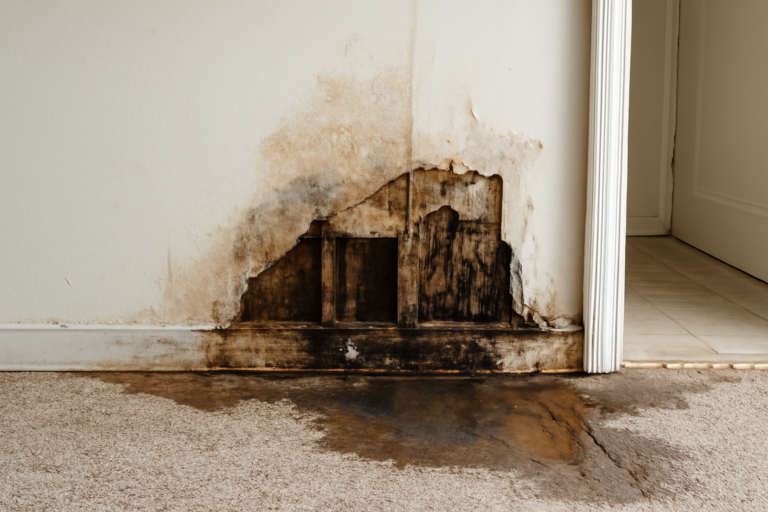
Water Damage on Hardwood Floors in Seagoville, TX: What You Need to Know
Did you know that water damage on hardwood floors can lead to losses of up to $10,000? This is because water can penetrate deep into the wood, causing permanent damage and needing costly repairs. Act fast to reduce losses and prevent further damage. If you live in Seagoville, TX, and have experienced water damage on your hardwood floors, you need to know how to respond quickly and effectively. Our team has the expertise and equipment to extract water from hardwood floors and restore them to their original condition.
With over 165+ five-star reviews, our team is the go-to choice for homeowners in Seagoville, TX, who need help with hardwood floor water extraction. We understand the importance of responding quickly to water damage and have developed a process that ensures your floors are restored to their original condition.
- Our team uses advanced equipment to extract water from hardwood floors, reducing the risk of further damage and promoting a speedy recovery.
- We work closely with insurance companies to ensure that your claim is processed quickly and efficiently.
- Our team provides a detailed inspection and assessment of the damage, providing you with a clear understanding of the repair process and costs involved.
How Our Team Handles Hardwood Floor Water Extraction
With hardwood floor water extraction, every minute counts. That’s why our team follows a strict process to ensure that your floors are restored to their original condition. Our process begins with a thorough inspection of the damage, which helps us identify the source of the water and the extent of the damage. From there, we use advanced equipment to extract the water from the hardwood floors, reducing the risk of further damage and promoting a speedy recovery.
Step 1: Inspection and Assessment
Our team begins by inspecting the damage to find out the extent of the water damage and the best course of action. This involves identifying the source of the water, the type of hardwood flooring, and any other factors that may affect the repair process. Accurate assessment is crucial in determining the best course of action and ensuring that your floors are restored to their original condition.
Step 2: Water Extraction
Once the inspection and assessment are complete, our team uses advanced equipment to extract the water from the hardwood floors. This involves using specialized pumps and vacuums to remove the water, reducing the risk of further damage and promoting a speedy recovery. Quick and effective extraction is crucial in preventing further damage and promoting a speedy recovery.
Step 3: Drying and Dehumidification
After the water has been extracted, our team uses specialized equipment to dry and dehumidify the hardwood floors. This involves using fans and dehumidifiers to remove any remaining moisture, promoting a speedy recovery and reducing the risk of further damage. Proper drying and dehumidification are crucial in preventing further damage and promoting a speedy recovery.
Step 4: Repair and Restoration
Once the hardwood floors have been dried and dehumidified, our team begins the repair and restoration process. This involves repairing any damaged boards, sanding and refinishing the floors, and applying a new finish. High-quality repair and restoration is crucial in ensuring that your floors are restored to their original condition.
Don’t wait until it’s too late. Contact our team today to schedule an appointment and get your hardwood floors back to their original condition.

Warning Signs You Need Hardwood Floor Water Extraction
Water damage on hardwood floors can be catastrophic if left untreated. That’s why it’s essential to be aware of the warning signs that show you need hardwood floor water extraction. Here are some common warning signs to look out for:
Musty Odors That Won’t Go Away
Musty odors can be a sign of water damage on your hardwood floors. If you notice a persistent musty smell, it’s essential to investigate further. Don’t ignore the smell as it can show the presence of mold and mildew, which can cause further damage and health risks.
Warped or Buckled Boards
Warped or buckled boards can be a sign of water damage on your hardwood floors. If you notice that your boards are warped or buckled, it’s essential to contact our team immediately. Don’t delay as water damage can spread quickly, causing further damage and costly repairs.
Discoloration or Staining
Discoloration or staining can be a sign of water damage on your hardwood floors. If you notice that your floors are discoloring or staining, it’s essential to investigate further. Don’t ignore the discoloration as it can show the presence of water damage, which can cause further damage and costly repairs.
Cracks or Gaps in the Flooring
Cracks or gaps in the flooring can be a sign of water damage on your hardwood floors. If you notice that your flooring has cracks or gaps, it’s essential to contact our team immediately. Don’t delay as water damage can spread quickly, causing further damage and costly repairs.
Spongy or Soft Spots
Spongy or soft spots can be a sign of water damage on your hardwood floors. If you notice that your flooring has spongy or soft spots, it’s essential to investigate further. Don’t ignore the soft spots as they can show the presence of water damage, which can cause further damage and costly repairs.
Hardwood Floor Water Extraction vs. DIY: When to Call a Professional
| Situation | DIY? | Call a Pro? | Why |
|---|---|---|---|
| Small water spill | Yes | No | Small spills can be easily cleaned up with a towel and some water. |
| Large water spill or flood | No | Yes | Large water spills can cause significant damage and need professional equipment to extract the water. |
| Water damage on hardwood floors | No | Yes | Water damage on hardwood floors needs specialized equipment and expertise to extract the water and prevent further damage. |
| Visible signs of water damage (e.g., warping, buckling, discoloration) | No | Yes | Visible signs of water damage show that the damage is severe and needs professional attention. |
| High humidity or moisture levels | Maybe | Yes | High humidity or moisture levels can cause water damage and need professional attention to prevent further damage. |
Don’t take the risk of trying to fix the problem yourself. Contact our team today to schedule an appointment and get your hardwood floors back to their original condition.
Hardwood Floor Water Extraction Cost in Seagoville, TX
The cost of hardwood floor water extraction in Seagoville, TX, can vary depending on the severity of the damage, the size of the affected area, and the local conditions. Our team provides free estimates and works closely with insurance companies to ensure that your claim is processed quickly and efficiently. Get a fair estimate and let us handle the rest.
| Service | Typical Price Range | What Affects Cost |
|---|---|---|
| Water extraction and drying | $500 – $2,500 | Size of affected area, severity of damage, and local conditions |
| Repair and restoration | $1,000 – $5,000 | Size of affected area, severity of damage, and type of flooring |
| Dehumidification and moisture control | $500 – $2,000 | Size of affected area, severity of damage, and local conditions |
| Disinfection and sanitizing | $200 – $1,000 | Size of affected area, severity of damage, and type of flooring |
| More services (e.g., tile and grout cleaning, carpet cleaning) | $200 – $1,000 | Size of affected area, severity of damage, and type of service |
Get a fair estimate and let us handle the rest. Contact our team today to schedule an appointment and get your hardwood floors back to their original condition.
Service Areas Near Seagoville, TX
We serve the following areas near Seagoville, TX: Red Oak, TX, Lancaster, TX, Duncanville, TX, Cedar Hill, TX, DeSoto, TX, South Dallas, TX, Ellis County, TX, and surrounding areas.
Common Questions About Hardwood Floor Water Extraction
How long does the water extraction process take?
The water extraction process typically takes between 1-3 hours, depending on the size of the affected area and the severity of the damage. Our team works quickly and efficiently to extract the water and prevent further damage.
What is the cost of water extraction and drying?
The cost of water extraction and drying can vary depending on the size of the affected area, the severity of the damage, and the local conditions. Our team provides free estimates and works closely with insurance companies to ensure that your claim is processed quickly and efficiently.
Can I try to extract the water myself?
No, it’s not recommended to try to extract the water yourself. Water extraction needs specialized equipment and expertise to prevent further damage and ensure a safe and healthy environment.
How do I prevent water damage on my hardwood floors?
To prevent water damage on your hardwood floors, ensure that you have a working water shut-off valve, keep your floors clean and dry, and inspect your floors regularly for signs of water damage. If you notice any signs of water damage, contact our team immediately.
Check Our Other Relevant Services
Serving Seagoville, TX And Nearby Areas