Denton, TX · Denton County
Desiccant Dehumidification in Denton, TXFlood Drying Services & Crawl Space Drying
Desiccant Dehumidification in Denton includes water damage dehumidification, construction drying services and mold prevention drying.
Answered 24/7
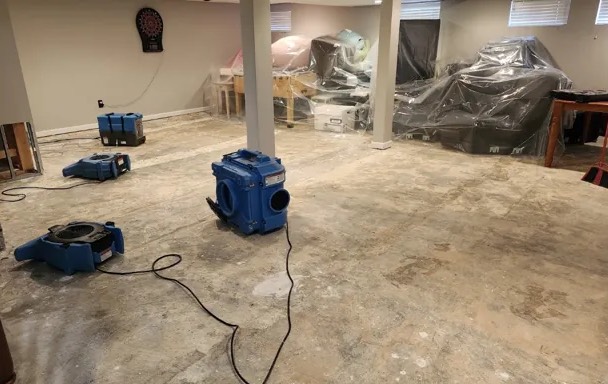
Expert Desiccant Dehumidification for Denton Properties
Desiccant Dehumidification in Denton is not needed for every job. Small leaks in warm rooms often dry well with standard dehumidifiers. Cool spaces, large buildings and dense materials are where desiccant units help most.
In Denton, Corinth, Krum and Argyle, builders sometimes need slabs and drywall dried before flooring goes in. The pros lower humidity on the job site to speed that up.
Specialized Desiccant Dehumidification in Denton, TX
Flood Drying Services
Flood drying pairs desiccant units with air movers aimed at wet materials, with readings taken every day until the structure is dry.
Crawl Space Drying
Water is removed from the crawl space first, then desiccant drying brings humidity down so the framing can dry.
Construction Drying Services
Readings on slabs and framing show when materials are dry enough for the next stage of work.
Water Damage Dehumidification
Dehumidification runs alongside air movers, and readings are taken daily until every wet material is back to normal.
Firefighting Water Drying
Firefighting water can soak several rooms at once. Large drying setups remove that moisture so repairs can begin.
Symptoms Requiring Desiccant Dehumidification in Denton
Peeling Paint or Wallpaper
Paint or wallpaper that peels after a leak has moisture behind it that has not dried.
Warped Wood Floors or Trim
Wood floors or trim that cup or warp after a leak are still taking on moisture.
Musty Smell in Stored Items
Boxes and fabrics that smell musty show the space has stayed damp too long.
Visible Condensation on Windows
Windows that fog or drip inside show the air holds too much moisture for materials to dry.
How Desiccant Dehumidification Works in Denton
Step 1: Moisture Mapping
Readings across walls, floors and framing show exactly where moisture remains in the building.
Step 2: Equipment Placement
Dehumidifiers and air movers are placed where the moisture readings are highest.
Step 3: Continuous Moisture Extraction
Drying runs until the wettest areas match the rest of the building.
Step 4: Confirmation and Reporting
A report shows the starting and final moisture readings for each area that was dried.
Typical Moisture Intrusions and Desiccant Dehumidification in Denton
Roof Leaks From Damaged Shingles
Roof leaks from damaged shingles soak attic insulation, roof decking and the ceilings below.
HVAC System Condensation Issues
Clogged AC drain lines overflow into attics, closets and the ceilings below them.
Plumbing Leaks or Pipe Bursts
Burst pipes and leaking supply lines soak walls and floors that then need drying.
Fire Suppression System Activation
Fire sprinklers and firefighting water soak large areas of a building at once.
Residential and Commercial Desiccant Dehumidification in Denton
Residential Desiccant Dehumidification
Homes with wet attics after roof leaks may need attic drying equipment placed carefully on boards for safe footing.
Commercial Desiccant Dehumidification
Schools, offices and medical buildings may schedule equipment setup and removal after hours to limit disruption to staff and visitors.
Hiring Local Pros for Desiccant Dehumidification in Denton
You can run your own dehumidifier and keep the wet room closed. Drying soaked materials in a crawl space or cool lower level usually needs commercial equipment.
Investing in Desiccant Dehumidification for Denton Properties
Large commercial buildings and construction sites in Denton may need high-capacity units and ducting, which affects the total.
Access and Complexity
Crawl spaces, tight areas and large buildings take more effort to set up and monitor.
Time of Response
Night, weekend and holiday setup can cost more than a scheduled weekday visit.
Type of Water Damage
Floodwater and sewage need cleaning and removal of materials before drying, which adds cost.
Does Insurance Cover Desiccant Dehumidification?
Many homeowner policies cover drying after sudden water damage, like a burst pipe, but not long-term humidity or groundwater problems. Check your policy and call your insurer early.
Selecting Local Pros for Desiccant Dehumidification in Denton, Texas
Desiccant Equipment
Desiccant units are used where they fit, such as cool spaces, crawl spaces and large buildings.
Industry Drying Standards
Drying follows industry water damage standards, with readings taken at every visit.
Damage Assessment
The full affected area is checked, including rooms next to and below the source.
Emergency Desiccant Dehumidification Response for Denton
The sooner drying starts, the fewer materials need replacing. Call (945) 326-0045 for desiccant dehumidification in Denton right after a leak or flood.
Call Now (945) 326-0045Locations for Desiccant Dehumidification Around Denton
Need desiccant dehumidification outside Denton? Service also covers Corinth, Krum and Argyle, including emergency drying after hours.
- Desiccant Dehumidification in Corinth
- Desiccant Dehumidification in Krum
- Desiccant Dehumidification in Argyle
- Desiccant Dehumidification in Highland Village
- Desiccant Dehumidification in Sanger
- Desiccant Dehumidification in Flower Mound
- Desiccant Dehumidification in Little Elm
- Desiccant Dehumidification in Aubrey
- Emergency Damage Restoration in 76201
- Storm Damage Restoration in 76201
- Water Damage Restoration in 76201
- Water Extraction Service in 76201
- Water Leak Detection in 76201
- Water Removal Service in 76201
- Emergency Damage Restoration in 76202
- Storm Damage Restoration in 76202
Answers to Top Desiccant Dehumidification Queries
How long does crawl space drying typically take?
Often several days, depending on how wet the framing is and how cool and damp the space stays.
What does water damage dehumidification include?
Taking readings, placing dehumidifiers and air movers, logging progress daily and confirming materials are dry.
How is emergency dehumidification different from standard service?
It starts right after a leak or flood, any time of day, so materials do not keep soaking up moisture.
What equipment is used for commercial building drying?
High-capacity desiccant or refrigerant dehumidifiers, air movers, moisture meters and sometimes ducting to direct dry air.
When is desiccant dehumidification a better choice than refrigerant units?
In cool spaces, very large areas or when very low humidity is needed to dry dense materials.