Flower Mound, TX · Denton County
Deep Cleaning after Disasters in Flower Mound, TXFlood Water Deep Cleaning & Disaster Debris Removal
Deep Cleaning after Disasters in Flower Mound addresses post-flood deep cleaning, post-fire soot cleaning, and odor elimination after disasters.
Answered 24/7
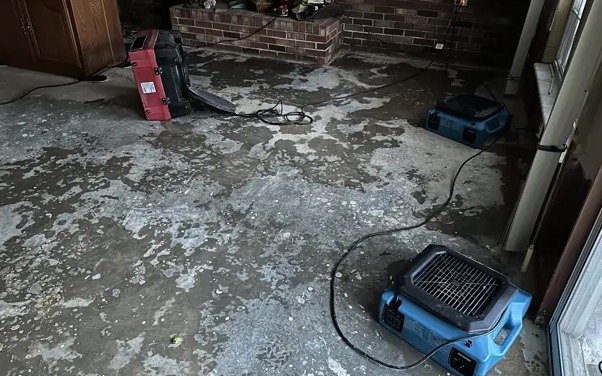
Professional Deep Cleaning after Disasters in Flower Mound, TX
Deep cleaning after disasters matters for properties in Flower Mound because post-disaster sanitization removes hidden contaminants that compromise indoor air quality and structural integrity. Local post-disaster cleaning experts remove residue and disinfect surfaces after water damage.
Deep cleaning after disasters for properties in Flower Mound and nearby places like Trophy Club, Southlake and Grapevine involves post-flood deep cleaning to remove silt and bacteria from floods, plus post-fire soot cleaning to eliminate corrosive residues. Nearby neighborhoods and the center of Flower Mound are served the same way, with help available by phone at (945) 326-0045.
Deep Cleaning after Disasters Scope of Work in Flower Mound
Flood Water Deep Cleaning
The experts in Flower Mound remove the stubborn residue floodwater leaves. This deep cleaning process tackles contaminants and silt deposits on surfaces in Flower Mound. A fast start prevents secondary damage and lingering odors.
Disaster Debris Removal
The experts handle safe debris removal from properties in Flower Mound. This clears soaked furnishings and damaged materials, preparing the site for deep cleaning.
Odor Elimination After Disasters
Musty, smoky, or sewage odors can linger. It targets odor-causing residue in materials. Deep cleaning removes the source, while equipment neutralizes airborne molecules.
Post-Flood Deep Cleaning
After the water recedes, a deep clean follows. It removes silt, microbes and odors left by floodwater. The pros in Flower Mound focus on materials that can harbor bacteria.
Post-Mold Remediation Cleaning
Once mold is remediated, the area requires cleaning. Every surface is detailed to remove fine particles. It helps verify a space is ready for reoccupation.
Symptoms Calling for Deep Cleaning after Disasters in Flower Mound
Water Stains on Drywall and Wood
Discoloration and warping materials after a flood show absorbed moisture, which deep cleaning after water damage can remediate.
Persistent Musty Odors After Water Damage
A lingering damp smell points to hidden moisture and mold in walls or floors.
Ash Dust in the HVAC System
Smoke particles moving through vents spread soot into every room the system serves.
Fine Dust on Every Item After Fire
Soot infiltrates porous materials and electronics, requiring content cleaning and restoration to salvage valuable possessions.
How Deep Cleaning after Disasters Works in Flower Mound
Step 1: Site Evaluation and Claim Prep
The experts assess the scope of damage and document conditions to support the homeowner's discussions with their insurance provider.
Step 2: Bulk Contamination Extraction
The initial phase of emergency deep cleaning involves removing all standing water, debris piles, and bulk hazardous residues.
Step 3: Detailed Content and Surface Cleaning
Belongings and structural surfaces are cleaned of mold, soot or sewage residue.
Step 4: Environmental Balancing and Closure
Temperature and humidity are brought back to normal and a final inspection is done.
Common Causes Requiring Deep Cleaning after Disasters in Flower Mound
Sewer Line Backup or Failure
A blocked or broken main sewer line can push sewage into the home, and every surface it touched needs cleaning and disinfection.
Windstorms Toppling Trees and Structures
High winds can scatter sharp debris and compromise building integrity, followed by complex storm debris cleanup.
Biohazard Incidents in the Home
Situations involving unsanitary conditions create health risks that are mitigated by final post-disaster sanitization procedures.
Appliance Malfunctions Causing Overflows
A failed water heater or washing machine can release hundreds of gallons into the home.
Deep Cleaning after Disasters Across Flower Mound Properties
Residential Deep Cleaning after Disasters
In homes, disaster cleanup services address soot-impregnated furniture, water-logged carpets, and contaminated personal belongings. The experts clean and restore cherished belongings.
Commercial Deep Cleaning after Disasters
The experts in Flower Mound perform post-fire cleaning and sanitization to protect inventory, equipment, and customer areas. This minimizes downtime and liability from lingering contaminants or structural damage.
Deep Cleaning after Disasters vs. DIY: When to Call Post-disaster Cleaning Experts
Disinfect the hard surface with an EPA-registered product. For any significant sewage backup deep cleaning involving carpets, drywall, or subfloors, call the experts. Sewage contains dangerous pathogens requiring professional biocides and containment.
Cost Considerations for Deep Cleaning after Disasters in Flower Mound
Factors affecting your deep cleaning after disasters cost in Flower Mound include the square footage requiring treatment and the accessibility of the damaged spaces. Confined areas or multi-story homes often require more labor and time for cleaning.
Affected Square Footage
The total area needing deep cleaning dictates the time, labor, and materials required. Larger homes or commercial spaces naturally have a higher project scope.
Content Restoration Needs
The process to salvage furniture, documents, or electronics adds specialized steps. The volume and value of items needing cleaning influence the final cost.
Contaminant Category
Category 3 sewage needs biocides and PPE; clean water does not. The contaminant level defines the safety and cleaning protocols.
Does Insurance Cover Deep Cleaning after Disasters?
Sewage backup deep cleaning may be covered if you have a specific sewer backup endorsement on your policy. Standard policies often exclude this, so check your endorsements first.
Benefits of Local Experts for Deep Cleaning after Disasters
Detailed Content Handling
Careful inventory, cleaning, and restoration of salvageable personal belongings. Items of sentimental or monetary value are recovered.
Sequential Multi-Step Process
Executing debris removal, deep cleaning, and final sanitization in a defined order. Each step happens in order.
Focus on Long-Term Results
The property is returned to safe, livable condition. The goal is a lasting result, not a surface clean.
24/7 Emergency Deep Cleaning after Disasters in Flower Mound
For immediate deep cleaning after water damage or soot infiltration, contact (945) 326-0045 for a 24/7 response. The sooner cleaning begins, the better the chance of saving materials and eliminating odors.
Call Now (945) 326-0045Deep Cleaning after Disasters Coverage Around Flower Mound
In Flower Mound and nearby locations like Trophy Club, Southlake and Grapevine, deep cleaning after disasters involves specialized protocols for different disaster types. The work runs from debris removal to final sanitizing.
Deep Cleaning after Disasters Common Questions Answered
How quickly should deep cleaning after water damage begin?
Initiation within 24-48 hours is ideal to prevent secondary damage like mold growth and material degradation. A faster response from the experts leads to better outcomes.
What equipment is used for post-fire cleaning?
The experts utilize HEPA air scrubbers, specialized soot sponges, chemical sponges, thermal foggers, and ozone machines to clean the air and surfaces and neutralize persistent smoke odors effectively.
How long does deep cleaning after sewage backup take?
It depends on the area and contamination, but removal, disinfection, drying and checks usually take several days.
What are the steps for sewage backup deep cleaning?
This involves removing contaminated materials, washing and disinfecting of affected areas with EPA-registered biocides, and often includes odor elimination due to the severe biological hazards present.
What is included in post-flood deep cleaning?
The process involves removing water-logged debris, cleaning and sanitizing all affected surfaces, addressing hidden moisture, and applying antimicrobial treatments to inhibit mold growth after water exposure.