Flower Mound, TX · Denton County
Community Center Damage Restoration in Flower Mound, TXEvent Space Fire Damage Cleanup & Community Center Water Extraction
Auditorium flood restoration, public building sewage cleanup, and community center water extraction are included in Community Center Damage Restoration for Flower Mound.
Answered 24/7
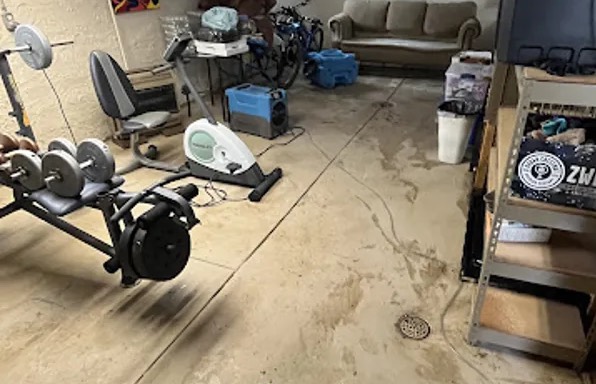
Professional Community Center Damage Restoration in Flower Mound, TX
Residues can corrode metal in gym equipment and leave persistent odors in upholstered seating in multi-purpose rooms, requiring deep cleaning of all affected surfaces and materials.
When a community center in Flower Mound needs water damage restoration, the scale of the project demands experienced water damage pros. Large spaces like gymnasiums and auditoriums require high-volume extraction and drying equipment. Facilities in nearby Trophy Club, Southlake and Grapevine are served too.
Community Center Damage Restoration Offerings in Flower Mound
Event Space Fire Damage Cleanup
Fire and water damage demands a systematic restoration approach. Experts clean soot from HVAC ducts and light fixtures. Water is removed, and damaged materials are cataloged for documentation.
Community Center Water Extraction
Community center water damage cleanup begins with industrial extraction. Fast water removal in Flower Mound preserves the building for community use.
Gymnasium Storm Damage Restoration
Storm-related flooding in a community gym requires a coordinated response. Experts address water pooling on the court and inspect for hidden moisture.
Community Hall Mold Remediation
Mold in a community center can affect air quality and health. Remediation specialists follow a process of containment, removal, and cleaning.
Multi-Purpose Room Drying Services
Activity rooms need complete structural drying after a leak. Professionals use moisture meters to find hidden dampness in walls. High-capacity dehumidifiers protect furniture and electronic equipment.
Indicators of Water Damage in Flower Mound Community Centers
Water Stains on Gymnasium Ceilings
Yellowish-brown patches on gymnasium ceilings are a clear sign of ongoing water intrusion. This requires immediate attention to prevent structural damage.
Puddles After Heavy Rains
Standing water in corridors or near doorways after a storm suggests drainage or envelope failure. Emergency water extraction for public spaces is needed.
Sagging Drywall in Community Halls
Drywall that bulges or sags is often waterlogged and losing structural integrity. It is a common sign of storm damage.
Warped Floors in the Multi-Purpose Room
Buckling or cupping of hardwood or laminate floors indicates moisture saturation underneath. This warping is a common sign of water damage.
How Community Center Damage Restoration Works in Flower Mound
Step 1: Initial Inspection and Scope
The process starts with an inspection to identify all affected areas. It sets the plan for storm repairs.
Step 2: Bulk Water and Debris Removal
Standing water and any storm-related debris are removed from the property. This clears the way for detailed drying and cleaning operations to begin.
Step 3: Comprehensive Drying Process
A combination of air movers, heaters, and dehumidifiers creates optimal drying conditions. This addresses both visible and hidden moisture in the building structure.
Step 4: Sanitization and Air Quality
The air is filtered with HEPA scrubbers and all surfaces are sanitized before reopening.
Common Causes of Water Damage in Flower Mound Community Centers
Sprinkler System Malfunctions
An accidental discharge or faulty sprinkler head can release hundreds of gallons across event halls and meeting rooms.
Sewer Line Backups
Sewer line blockages or breaks can push contaminated water up through floor drains.
Roof Leaks During Storms
Compromised roofing materials or flashing allow rainwater to infiltrate attic spaces and walls, leading to widespread water damage in community halls.
Cooking Grease Fire in Kitchen
Unattended cooking oil can ignite quickly in a community kitchen, spreading flames, smoke and soot to nearby rooms.
Versatile Community Center Damage Restoration Solutions in Flower Mound
Community Center Damage Restoration for Homeowners
Storm damage to a home can include roof leaks, window breaches, and flooding. Homeowners need quick action on water extraction and structural drying to prevent secondary damage like mold.
Community Center Damage Restoration for Owners and Facility Managers
Storm damage to a commercial roof or facade can halt operations and damage critical infrastructure. Storm damage restoration for community halls prioritizes securing the building and initiating emergency drying services.
Professional Community Center Damage Restoration or DIY Repair in Flower Mound
Following a storm, you can safely document visible damage by taking clear photographs for your insurance claim. For gymnasium storm damage restoration, rely on the specialists with proper safety equipment.
What Influences Community Center Damage Restoration Cost in Denton County
Factors affecting cost for community center damage restoration in Flower Mound include the type of water or fire involved and the extent of structural materials impacted.
Duration of Drying Process
A complex drying project for a water-logged auditorium takes longer, increasing labor and energy costs for the continuous operation of structural drying equipment.
Damage Type and Source
Clean water from a broken pipe costs less to address than contaminated sewage backup or soot-filled fire residues requiring specialized cleaning in a public building.
Emergency Service Timing
A 24/7 response to halt progressive damage often involves premium service rates, but it can prevent more costly repairs later for your community facility.
Does Insurance Cover Community Center Damage Restoration?
When filing a claim for community center damage restoration in Flower Mound, your insurer requires proper documentation. The pros provide thermal scans and humidity logs to document the loss. Coverage eligibility is decided by your insurance carrier, so confirm your benefits before proceeding with restoration.
Benefits of Local Water Damage Pros for Community Center Damage Restoration
Detailed Damage Documentation
Photo logs and moisture mapping provide clear evidence for your insurance claim process after an incident.
Minimized Operational Downtime
Work is planned to get your event space safe and usable again as quickly as possible.
Multi-Service Damage Expertise
Local pros handle water, fire, mold, and storm damage, providing a coordinated response for complex disaster recovery for community facilities.
24/7 Emergency Community Center Damage Restoration in Flower Mound
For emergency assessment and community hall mold remediation in Flower Mound, call the specialists at (945) 326-0045. They offer 24/7 availability for urgent situations.
Call Now (945) 326-0045Communities Served for Community Center Damage Restoration Near Flower Mound
Services extend across Flower Mound, with local pros available to support facilities in Flower Mound and neighboring areas like Trophy Club, Southlake and Grapevine.
Common Community Center Damage Restoration Questions Answered
How is structural drying for multipurpose rooms typically performed?
Pros create an efficient drying environment by strategically placing air movers and dehumidifiers. Moisture sensors confirm walls, floors and subfloors are dry.
What equipment is used for public building drying services?
Industrial-grade air movers, dehumidifiers, moisture meters, and thermal imaging cameras are standard. This equipment enables efficient structural drying for multipurpose rooms and other large areas.
Can mold return after community hall mold remediation?
Professional remediation includes identifying and helping to address the source of moisture to prevent recurrence.
What is commercial water damage restoration?
It's the specialized process of mitigating and repairing water damage in non-residential buildings like community centers. It uses commercial-scale equipment and protocols for large, complex spaces.
Why is quick action vital for flood restoration in event halls?
Quick action minimizes secondary damage like mold growth and material swelling. It also helps reduce the overall downtime for the facility, allowing events to resume sooner.