Ceiling Drywall Water Damage Restoration in Richland Hills, TX
Trusted by 135+ Homeowners
Protecting Your Home from Ceiling Drywall Water Damage in Richland Hills, TX
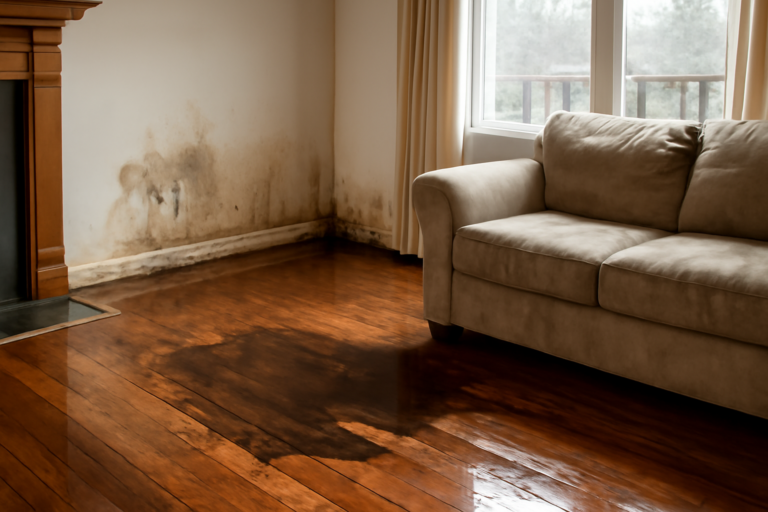
Summer storms in the Dallas-Fort Worth area can bring heavy rain and strong winds, causing water to seep into your home’s ceiling through holes and gaps. This can lead to costly repairs and even health risks if left unchecked, but with the right knowledge and response, you can prevent or reduce the damage. You need to act fast and know what to look for to avoid further complications.
Our team has helped countless homeowners in the area recover from ceiling drywall water damage, and we’ve earned over 165 five-star reviews for our expertise and customer service. We’re the go-to experts for ceiling drywall water damage restoration in Richland Hills, TX, and we’re confident we can help you too.
- Quick response and action to prevent further damage
- Expert water damage restoration and drywall repair
- Prevention and education to help you avoid this problem in the future
How Our Ceiling Drywall Water Damage Restoration Process Works
When you call us for ceiling drywall water damage restoration, our team will arrive quickly and assess the situation to find out the best course of action. We’ll use specialized equipment to remove standing water, dry out the affected area, and repair or replace damaged drywall. We’re meticulous about every detail, as we know how crucial a proper restoration process is to preventing future issues.
Step 1: Emergency Response and Assessment
We’ll rush to your property within 60 minutes of your call and assess the situation to find out the extent of the damage. Our team will identify the source of the water, assess the affected area, and create a customized plan to restore your ceiling and home to its original condition.
Step 2: Water Removal and Drying
Our crews will use industrial-grade water extraction equipment to remove standing water from your ceiling and walls, and then use specialized drying equipment to dry out the affected area. This step is crucial to preventing mold and mildew growth and ensuring a thorough restoration.
Step 3: Drywall Repair and Replacement
Our technicians will carefully inspect and assess the damaged drywall and make the necessary repairs or replacements. We’ll use high-quality materials to match your home’s original finish and ensure a seamless repair that blends in with the surrounding area.
Step 4: Final Inspection and Cleanup
Our team will conduct a final inspection to ensure that all damaged areas have been properly restored and that your home is safe and secure. We’ll also clean up any debris and leave your home in its original condition.
Don’t wait any longer to restore your ceiling and home to its original condition. Contact us today to schedule a consultation and get a free estimate for our ceiling drywall water damage restoration services.

Warning Signs You Need Ceiling Drywall Water Damage Restoration
Don’t ignore these warning signs that water may have seeped into your ceiling and caused damage. If you notice any of these signs, call us immediately to schedule a consultation and get a free estimate for our ceiling drywall water damage restoration services.
Musty Odors That Won’t Go Away
Strong, unpleasant odors that linger in your home can be a sign that water has seeped into your ceiling and caused damage. If you notice musty odors, it’s essential to address the issue before it becomes a more significant problem.
Water Stains on Your Ceiling
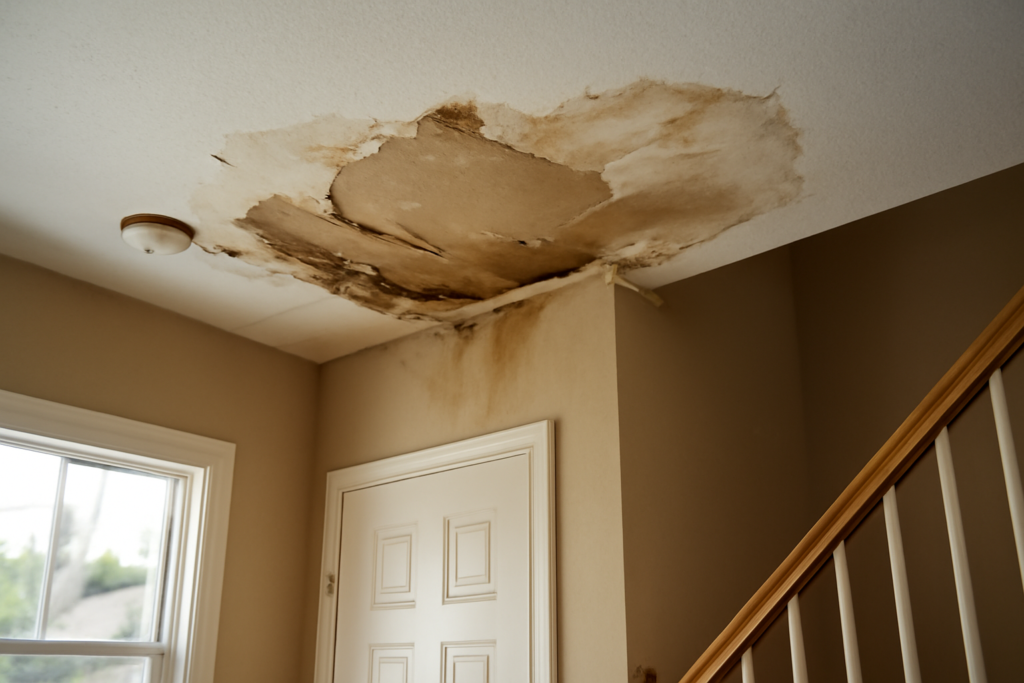
Water stains on your ceiling can be a sign of a more significant issue, such as a leaky roof or a clogged gutter. If you notice water stains, it’s crucial to address the issue before it causes further damage.
Peeling or Discolored Drywall
Peeling or discolored drywall can be a sign that water has seeped into your ceiling and caused damage. If you notice any discoloration or peeling, it’s essential to address the issue before it becomes a more significant problem.
Warped or Buckled Drywall
Warped or buckled drywall can be a sign that water has seeped into your ceiling and caused damage. If you notice any warping or buckling, it’s crucial to address the issue before it causes further damage.
Mold or Mildew Growth
Mold or mildew growth can be a sign that water has seeped into your ceiling and caused damage. If you notice any mold or mildew growth, it’s essential to address the issue before it becomes a more significant problem.
Leaky or Cracked Ceilings
Leaks or cracks in your ceiling can be a sign of a more significant issue, such as a leaky roof or a clogged gutter. If you notice any leaks or cracks, it’s crucial to address the issue before it causes further damage.
Ceiling Drywall Water Damage Restoration vs. DIY: When to Call a Professional
| Situation | DIY? | Call a Pro? | Why |
|---|---|---|---|
| Small water damage with minimal repair needed | Yes DIY is fine | No | DIY repairs are usually small and manageable for homeowners. |
| Large water damage with extensive repair needed | No | Yes | Large water damage needs specialized equipment and expertise to prevent further damage and ensure a thorough restoration. |
| Water damage with mold or mildew growth | No | Yes | Mold or mildew growth needs specialized equipment and expertise to safely remove and prevent future growth. |
| Water damage with structural damage to your home | No | Yes | Structural damage needs specialized expertise and equipment to ensure your home’s safety and integrity. |
| Water damage with extensive drywall repair needed | No | Yes | Extensive drywall repair needs specialized equipment and expertise to ensure a seamless repair. |
| Water damage with electrical or plumbing issues | No | Yes | Electrical or plumbing issues need specialized expertise to safely and properly address. |
Don’t try to tackle ceiling drywall water damage restoration on your own. If you’re unsure about whether to DIY or call a professional, contact us today to schedule a consultation and get a free estimate for our ceiling drywall water damage restoration services.
Ceiling Drywall Water Damage Restoration Cost in Richland Hills, TX
The cost of ceiling drywall water damage restoration in Richland Hills, TX, can vary based on the severity of the damage, the size of the affected area, and local conditions. We’ll provide a detailed estimate after assessing the situation, but here are some general estimates for our services:
| Service | Typical Price Range | What Affects Cost |
|---|---|---|
| Water Removal and Drying | $500 – $2,500 | Size of affected area, amount of water, and equipment needed |
| Drywall Repair and Replacement | $1,000 – $5,000 | Size of affected area, type of drywall, and labor needed |
| Mold and Mildew Remediation | $1,500 – $3,000 | Severity of mold or mildew growth, size of affected area, and equipment needed |
| Structural Repair and Restoration | $3,000 – $10,000 | Severity of structural damage, size of affected area, and labor needed |
| Electrical or Plumbing Repair | $1,000 – $5,000 | Severity of electrical or plumbing issue, size of affected area, and labor needed |
| Final Inspection and Cleanup | Free | Our standard service, included in all restoration projects |
Keep in mind that these estimates are general and may vary depending on the specifics of your situation. We’ll provide a detailed estimate after assessing the damage and creating a customized restoration plan for your home.
Service Areas Near Richland Hills, TX
We serve the following areas near Richland Hills, TX:
Arlington, TX, Bedford, TX, Colleyville, TX, Coppell, TX, Euless, TX, Fort Worth, TX, Grapevine, TX, Haltom City, TX, Haslet, TX, Hurst, TX, Keller, TX, North Richland Hills, TX, Pantego, TX, Roanoke, TX, Southlake, TX, Watauga, TX, Westlake, TX
Common Questions About Ceiling Drywall Water Damage Restoration
Is Ceiling Drywall Water Damage Restoration Covered by My Insurance?
Yes, ceiling drywall water damage restoration is typically covered by homeowners’ insurance policies. But, the specifics of your policy and the extent of coverage may vary. We’ll work with your insurance provider to ensure a smooth claims process and maximum coverage.
How Long Does Ceiling Drywall Water Damage Restoration Take?
The length of time for ceiling drywall water damage restoration varies based on the severity of the damage, the size of the affected area, and the equipment needed. Typically, our projects take 3-5 days to complete, but we’ll provide a more detailed timeline after assessing the situation.
Is Ceiling Drywall Water Damage Restoration a Health Risk?
Yes, ceiling drywall water damage can pose health risks, particularly if mold or mildew growth is involved. We’ll take every precaution to ensure your safety and the safety of our crew members during the restoration process.
Can I Perform Ceiling Drywall Water Damage Restoration Myself?
No, it’s not recommended to try ceiling drywall water damage restoration yourself. While some small repairs may be manageable, extensive water damage needs specialized equipment and expertise to ensure a thorough restoration and prevent further damage.
How Do I Prevent Ceiling Drywall Water Damage in the Future?
Preventing ceiling drywall water damage needs regular maintenance and inspections, particularly after severe weather events. Check your roof and gutters regularly, ensure proper water flow, and address any issues quickly to prevent water from seeping into your home.
Check Our Other Relevant Services
Serving Richland Hills, TX And Nearby Areas