Lake Worth, TX · Tarrant County
Bathroom Water Removal in Lake Worth, TXWater Damaged Subfloor Removal & Bathroom Leak Water Cleanup
Homeowners in Lake Worth get Bathroom Water Removal for shower leak water damage repair, wet bathroom drywall removal and bathroom leak water cleanup.
Answered 24/7
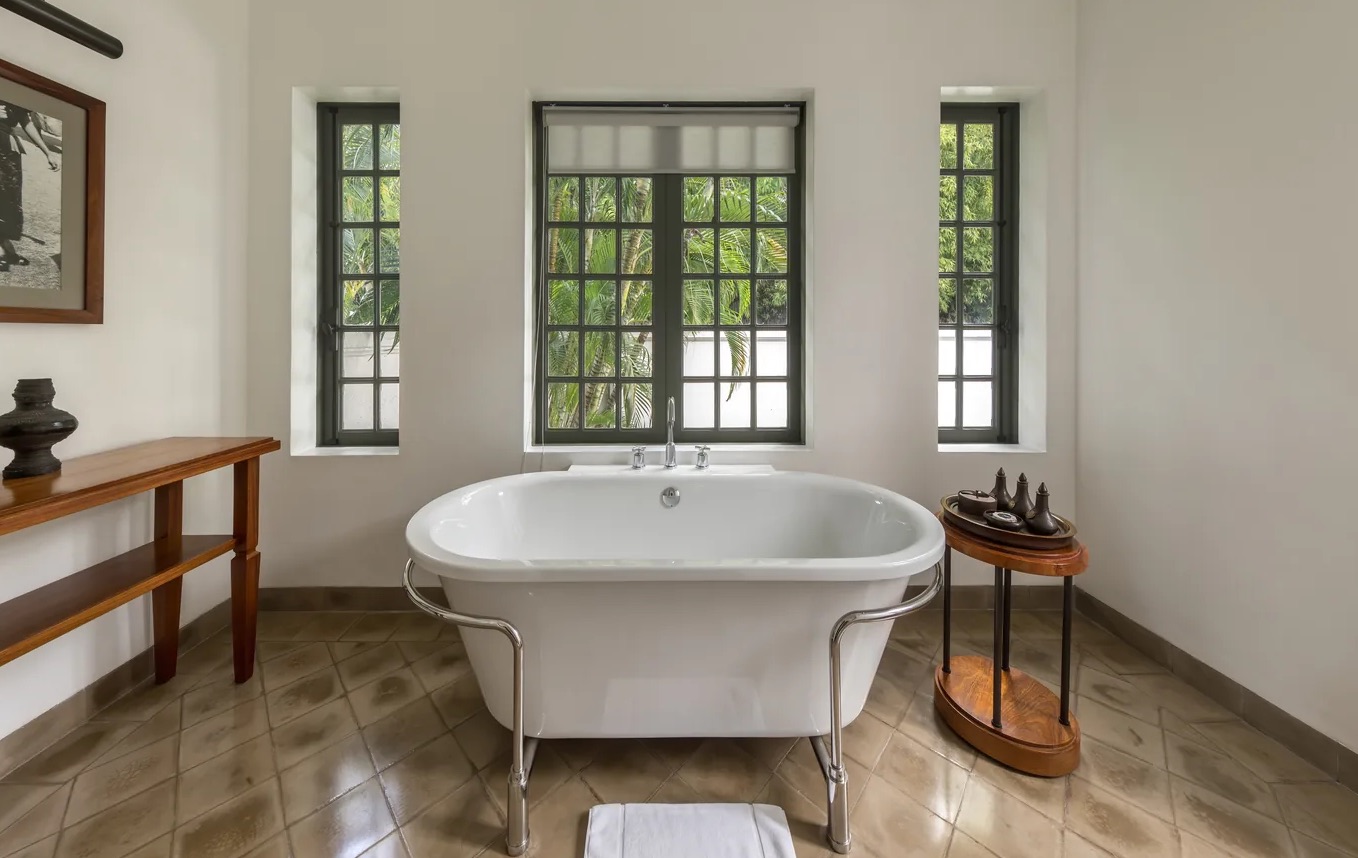
Local Bathroom Water Removal Services in Lake Worth
Water in a bathroom moves fast and hides well. In Lake Worth, an overflowing toilet or a split supply hose can push water under the vanity, behind the tub and into the subfloor before anyone grabs a towel.
In Lake Worth, Sansom Park, White Settlement and River Oaks, older bathrooms often have worn shower pans and wax rings. The pros find the water they let into floors and walls and dry it out.
Comprehensive Bathroom Water Removal Services for Lake Worth
Water Damaged Subfloor Removal
Removing the toilet and some flooring may be needed to reach a wet subfloor. The framing below is checked for damage.
Bathroom Leak Water Cleanup
A leak from a sink, tub or toilet is stopped, and water is removed from the floor, the vanity base and the gaps around fixtures where it collects.
Bathroom Drying Services
Equipment runs until the subfloor and walls reach normal readings, which usually takes several days.
Wet Bathroom Drywall Removal
Drywall that wicked water behind a tub, toilet or vanity is cut back above the wet line, so the studs and insulation behind it can dry.
Shower Leak Water Damage Repair
A shower leak is opened up so the wet wall and floor can dry. The source, such as a cracked pan or failed grout, is documented for repair.
Warning Signs You Need Bathroom Water Removal
Ceiling Stains Below Bathroom
A stain on the ceiling under a bathroom often means a toilet, tub or shower leak above.
Water Pooling on Bathroom Floor
Water collecting on the bathroom floor after use means a fixture, seal or supply line is leaking.
Cracked or Loose Toilet Seal
A toilet that rocks or has water around its base likely has a failed wax ring seal.
Shower Pan or Drain Leak
Water appearing outside the shower, or stains on the ceiling below it, point to a pan or drain leak.
How Bathroom Water Removal Works in Lake Worth
Step 1: Initial Flood Cleanup
Standing water is removed and wet towels, rugs and stored items are moved out of the bathroom.
Step 2: Material Removal and Prep
Soaked drywall, baseboards or subfloor are cut out to open the area for drying.
Step 3: Drying Techniques
Drying equipment sized for the room runs until the floor and walls test dry.
Step 4: Verification of Dryness
Final readings are compared to dry areas before the bathroom is handed over for repairs.
Why Bathrooms Need Water Removal in Lake Worth
Failed Shower or Tub Sealant
Old or cracked caulk around tubs and showers lets water seep into the wall and floor.
Sink Drain or P-Trap Leaks
Loose sink drains and leaking P-traps drip into the vanity and onto the floor.
Toilet Overflow and Clogs
A clogged toilet overflows onto the floor and can soak the subfloor and the ceiling below.
Condensation and Poor Ventilation
Steam from showers condenses on walls and ceilings when the fan is missing or not vented outside.
Residential and Commercial Bathroom Water Removal in Lake Worth
Residential Bathroom Water Removal
In homes, bathroom water often reaches the hallway carpet and the ceiling below. Water is extracted, the subfloor dried and the ceiling below checked and dried.
Commercial Bathroom Water Removal
In offices, gyms and restaurants, restroom overflows need fast extraction and disinfection so the restroom can reopen and nearby areas stay clean.
Bathroom Water Removal vs. DIY: When to Call the Pros
You can turn off the valve behind the toilet or under the sink, pull up wet rugs and take photos. Drying a wet subfloor or wall cavity needs moisture meters and drying equipment.
Bathroom Water Removal Cost in Lake Worth, TX
The pros check the bathroom and the room below before pricing bathroom water removal in Lake Worth, then explain what will be removed and dried.
Equipment Requirements
The number of drying units and the days they run make up much of the cost.
Water Damage Extent
A leak caught on the surface costs far less than one that soaked the subfloor and the room below.
Material Removal Needs
Cutting out drywall, tile or subfloor to reach wet areas adds labor and repair costs.
Does Insurance Cover Bathroom Water Removal?
Coverage for bathroom water removal depends on the cause and your policy terms. The pros document the damage and drying, and your insurer decides what is covered.
Why Lake Worth Homeowners Trust Local Pros for Bathroom Water Removal
Targeted Drying Procedures
Drying equipment is aimed at subfloors and wall cavities, where bathroom water hides.
Detailed Moisture Inspection
Moisture meters and thermal cameras find water under tile and behind walls before it causes rot.
Containment Practices
Toilet overflow areas are contained and disinfected so contamination stays in the bathroom.
Around-the-Clock Emergency Bathroom Water Removal in Lake Worth
Night, weekend or holiday, local bathroom restoration pros handle bathroom water in Lake Worth. Call (945) 326-0045 to get the water out and the floor dried.
Call Now (945) 326-0045Bathroom Water Removal in Lake Worth and Other Areas Served
The places below are also served, and each one has its own page.
Bathroom Water Removal FAQ for Lake Worth Homeowners
Are bathroom drying services noisy or disruptive?
Air movers and dehumidifiers make steady noise, but in a bathroom the equipment is small and the door can often be closed.
What causes the most common bathroom water damage?
Toilet overflows, worn wax rings, failed shower pans, cracked caulk and leaking supply lines.
How is bathroom water damage documented for insurance?
With photos of the damage, moisture readings, a list of removed materials and daily drying logs.
Why is finding the bathroom leak important after removal?
If the source is not fixed, the floor and walls will get wet again and the drying work will be wasted.
What is involved in bathroom water removal?
Stopping the source, extracting water from the floor and around fixtures, removing wet drywall or subfloor where needed and drying until readings are normal.