Trophy Club, TX · Denton County
Attic Water Removal in Trophy Club, TXEmergency Attic Water Extraction & Attic Drying Services
Attic Water Removal in Trophy Club covers attic leak water cleanup, roof leak water removal and wet attic insulation removal.
Answered 24/7
Expert Attic Water Removal for Trophy Club
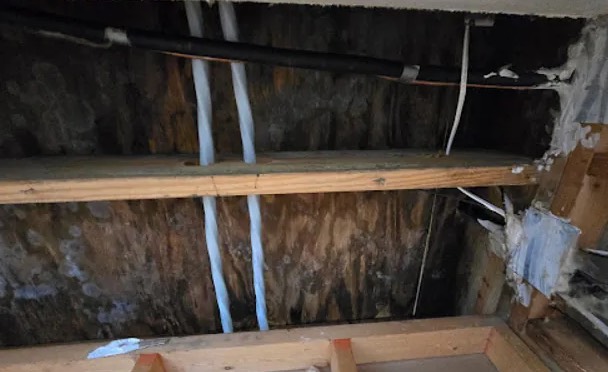
Getting water out of an attic is slow, careful work. Joists are narrow, the space is cramped and the ceiling below cannot take any weight. In Trophy Club, the pros bring boards, lights and gear sized for attic work.
A heavy storm in Trophy Club can push water into an attic overnight. Local water damage restoration experts serve Trophy Club and nearby Roanoke, Southlake and Keller, with help available around the clock.
Specialized Attic Water Removal for Trophy Club
Emergency Attic Water Extraction
When a storm or a burst pipe floods the attic, help is available any hour to remove the water before the ceiling below fails.
Attic Drying Services
Air movers and dehumidifiers are placed on boards across the joists so they can run safely without stressing the drywall.
Attic Mold Prevention
After drying, wood that was wet for more than a day or two can be treated with an antimicrobial to slow microbial growth.
Ceiling Water Damage Cleanup
Fallen drywall, wet insulation and debris in the room below are cleaned up, and floors and furniture are protected during the work.
Wet Attic Insulation Removal
Fiberglass batts are lifted out by hand, while wet blown-in insulation is vacuumed with a high-powered insulation vacuum.
Signs of Attic Water Damage in Trophy Club
High Utility Bills Unexpectedly
Wet insulation loses its insulating value, so energy bills can rise after an attic leak.
Condensation on Attic Windows or Nails
Damp nail tips or water droplets on attic surfaces point to moisture or ventilation problems.
Sagging or Bubbling Ceiling Drywall
Ceiling drywall that sags, bulges or bubbles at the seams is holding water and may fall.
Peeling Paint on Ceilings or Walls
Paint that peels or blisters on upstairs ceilings and walls often has water behind it.
How Attic Water Removal Works in Trophy Club
Step 1: Initial Attic Water Damage Assessment
The pros check safety, find the source and map the wet area with moisture meters.
Step 2: Bulk Water and Material Removal
Pooled water, soaked insulation and any sagging drywall are removed from the attic and ceiling.
Step 3: Attic Drying and Evaporation
Warm, dry airflow is aimed at wet wood, with dehumidifiers removing the moisture it releases.
Step 4: Attic Mold Prevention
Once dry, decking and framing that stayed wet can be cleaned and treated with an antimicrobial.
Common Causes of Attic Water Damage in Trophy Club
Clogged or Disconnected Gutters
Clogged or loose gutters let water back up under the roof edge and into the soffits.
Roof Leaks From Damaged Shingles
Cracked, missing or lifted shingles let rain reach the decking and drip into the attic.
Condensation From Poor Attic Ventilation
Moist air from the house condenses on roof decking when attic ventilation is poor.
Burst or Leaking Plumbing Pipes
Supply lines and drain pipes in the attic can crack or burst onto the ceiling.
Residential and Commercial Attic Water Removal in Trophy Club
Residential Attic Water Removal
Homeowners with stored items in the attic need those moved out first. Wet boxes are dried or discarded before the attic floor is cleaned and dried.
Commercial Attic Water Removal
Offices and stores need the space below protected while attic work is under way. Drying is planned around business hours where possible.
Professional Attic Water Removal Compared to DIY
If you can do it safely, look into the attic with a flashlight to find the wet area. Removing soaked insulation and drying the framing needs boards, protective gear and equipment.
What Affects Attic Water Removal Cost in Trophy Club
In Trophy Club, the biggest costs in attic jobs are usually insulation removal, drying equipment days and ceiling repair in the room below.
Water Contamination Level
Clean rainwater is simpler to handle than water from a drain line or other dirty source.
Emergency Service Timing
Storm, night and holiday calls can cost more than a scheduled visit.
Extent of Water Damage
A leak confined to one bay costs less than water spread across the attic and the rooms below.
Does Insurance Cover Attic Water Removal?
Insurers often ask what caused the leak and how long it ran. Notes on the entry point and roof condition help answer those questions.
Benefits of Local Pros for Attic Water Removal
Dehumidification Equipment
Dehumidifiers sized for the attic remove moisture much faster than roof vents and open hatches alone.
Post-Cleanup Verification
Final readings confirm the attic is dry before new insulation goes in.
Mold Inhibitor Application
Wood that stayed wet can be treated with an antimicrobial after it is dried.
Emergency Attic Water Removal Available Anytime
Water in an attic reaches the ceiling below fast. Call (945) 326-0045 for attic water removal in Trophy Club at any hour, including storms and holidays.
Call Now (945) 326-0045Attic Water Removal Near Trophy Club: Areas Served
Help with attic water removal reaches Roanoke, Southlake and Keller, plus other communities around Trophy Club, for one-story and two-story homes alike.
Frequently Asked Questions About Attic Water Removal
What happens during wet attic cleanup?
Water, wet insulation and debris are removed, stored items are moved out and the attic floor is cleaned before drying.
What is an attic moisture inspection?
A check of rafters, decking, insulation and the ceiling below with moisture meters and thermal cameras to find all wet areas.
How quickly should I deal with water in my attic?
Right away. Water on top of ceiling drywall soaks in and adds weight, and the ceiling can sag or fall within a day.
What is involved in attic water removal?
Stopping the source, removing pooled water, bagging wet insulation, drying the framing and decking, and checking the ceiling below.
Why is emergency attic drying important?
Wet wood and drywall break down quickly. Drying fast saves more of the ceiling and lowers the risk of microbial growth.