Bedford, TX · Tarrant County
AC Unit Water Removal in Bedford, TXAC Leak Water Extraction & Wet AC Unit Component Drying
Get AC unit water removal in Bedford: AC leak water extraction, wet AC unit component drying and air conditioner restoration services.
Answered 24/7
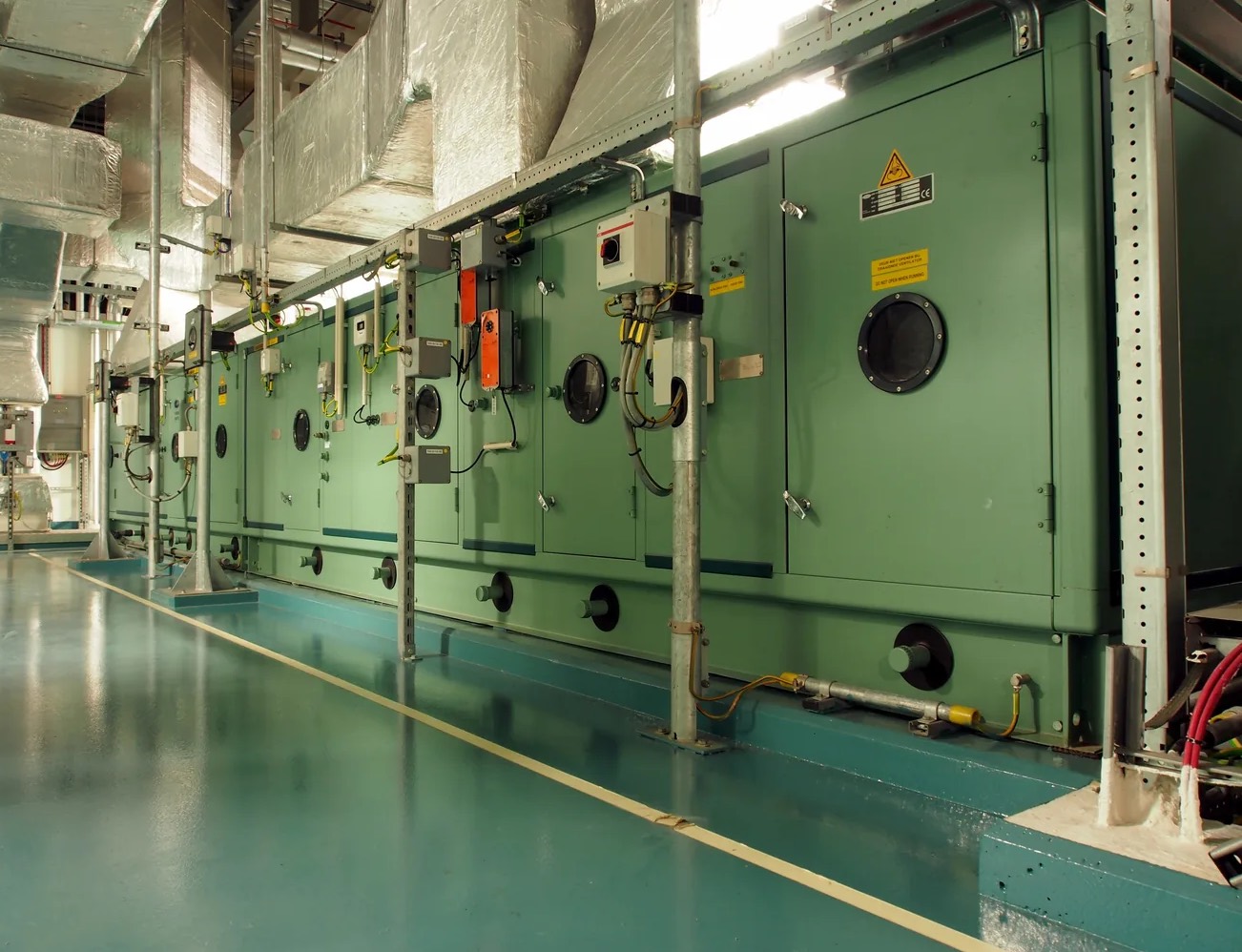
Expert AC Unit Water Removal for Bedford Homes
A leaking AC unit in Bedford can wet drywall, carpet and electrical parts within hours. Water that sits for more than a day or two also raises the risk of microbial growth on wood and paper-faced drywall.
Homes in Bedford and nearby Hurst, Colleyville and Euless run air conditioning for much of the year, so clogged condensate lines and full drain pans are common. Local water damage pros remove the water, clear the drain and dry the ceilings, walls and floors the leak reached.
Comprehensive AC Unit Water Removal Solutions in Bedford
AC Leak Water Extraction
Extraction is followed by drying with air movers and dehumidifiers, with daily readings to track progress.
Wet AC Unit Component Drying
Damp insulation inside the cabinet holds water for a long time. It is dried in place or replaced if it stays wet.
Emergency AC Water Removal
A sudden AC flood can soak a ceiling or floor in hours. Emergency removal gets the water out before it spreads into framing and insulation.
Air Conditioner Restoration Services
Work finishes with cleanup and a check that the unit drains properly, so the leak does not return.
AC Leak Mold Prevention
Antimicrobial treatment is an add-on step after drying, not a substitute for removing wet materials that cannot be saved.
How to Know You Need AC Unit Water Removal in Bedford
Visible Mold Near AC
Dark spots on drywall or framing near the unit mean the area has stayed wet for days.
AC System Shuts Off
Many units have a float switch that shuts the system off when the pan fills. If the AC stops cooling, check the pan.
High Indoor Humidity Levels
Rooms that feel clammy while the AC runs may mean water is not draining and is evaporating back into the air.
Musty Odors From Vents
A musty smell when the AC starts often means standing water in the pan or wet insulation in the ducts.
How AC Unit Water Removal Works in Bedford
Step 1: Leak Assessment
The pros find the source of the leak, check how far the water spread and take moisture readings.
Step 2: Source Stop and Water Removal
The drain is cleared or the leaking part isolated, then standing water is extracted from every wet area.
Step 3: System Drying and Dehumidification
Drying equipment runs until walls, floors and insulation test dry, with readings taken at each visit.
Step 4: Verification and Restoration
Final readings confirm the materials are dry, then damaged drywall, trim or ceiling panels can be replaced.
Common Causes of AC Unit Water Damage in Bedford
Excess Outdoor Humidity
Very humid air makes the coil produce more water than a partly clogged drain can carry.
Improper AC Unit Installation
A unit that is not level, or a drain line without enough slope, lets water pool instead of draining.
Disconnected Drain Line
A drain line knocked loose in the attic or closet empties condensate onto the ceiling or floor.
Failed Condensate Pump
Units that pump condensate uphill depend on a small pump. When it fails, the reservoir overflows.
AC Unit Water Removal Services for All Properties in Bedford
Residential AC Unit Water Removal
For homeowners, the main risk is water soaking into insulation and drywall where no one sees it. Moisture meters find that hidden water so it can be dried before it causes rot.
Commercial AC Unit Water Removal
For property managers, one leaking unit can affect several suites or the floor below. Each wet area is extracted, dried and documented for the owner and insurer.
Why DIY AC Water Removal Often Fails in Bedford
Mopping up a small drip and clearing the drain line with a wet vac is a reasonable DIY step. Call local water damage pros if water reached the ceiling, walls or insulation, or if the leak keeps coming back after you clear the line.
Factors Influencing AC Unit Water Removal Cost in Bedford
Pricing for AC unit water removal in Bedford is set after an inspection. The pros measure the wet area, check for hidden moisture and explain each item before starting.
Documentation Needs
Detailed photos and moisture logs for an insurance claim add some time to the job.
Affected Component Count
The more of the system that got wet, such as the blower, panels and insulation, the more drying time is needed.
Secondary Damage Presence
Wet ceilings, swollen baseboards or damp framing add removal and repair work to the job.
Does Insurance Cover AC Unit Water Removal?
Insurers often ask whether the leak was sudden or ongoing. A record of when the water was found, what it reached and how it was dried helps answer that question.
Benefits of Local Pros for AC Unit Water Removal in Bedford
Industry Drying Standards
Drying follows industry water damage standards, with moisture readings at each visit.
Air Conditioner Restoration Focus
Drywall, trim and ceiling repairs can be handled after drying, so one job covers the whole leak.
Preventative Microbial Treatment
Optional antimicrobial treatment can be applied to wood and drywall that stayed wet for days.
Emergency AC Unit Water Removal Available 24/7 in Bedford
Water from an air handler spreads fast through drywall and carpet. Call (945) 326-0045 for emergency AC unit water removal in Bedford at any time of the day or night.
Call Now (945) 326-0045Local AC Unit Water Removal Coverage for Bedford, Hurst, Colleyville and Euless
Help with AC unit water removal reaches Hurst, Colleyville and Euless, plus other communities around Bedford, for houses, apartments and commercial buildings with leaking AC units.
- AC Unit Water Removal in Hurst
- AC Unit Water Removal in Colleyville
- AC Unit Water Removal in Euless
- AC Unit Water Removal in North Richland Hills
- AC Unit Water Removal in Richland Hills
- AC Unit Water Removal in Grapevine
- AC Unit Water Removal in Southlake
- AC Unit Water Removal in Watauga
- Emergency Damage Restoration in 76021
- Storm Damage Restoration in 76021
- Water Damage Restoration in 76021
- Water Extraction Service in 76021
- Water Leak Detection in 76021
- Water Removal Service in 76021
- Emergency Damage Restoration in 76022
- Storm Damage Restoration in 76022
Your AC Unit Water Removal Questions Addressed
Why document AC water damage?
Photos and moisture readings show what got wet and how it was dried, which helps your insurance claim.
Does homeowners insurance cover water damage from an HVAC unit?
Sudden leaks are often covered, but slow leaks and the unit itself usually are not. Check your policy.
Why does the drain pan need to be emptied?
A full pan overflows into ceilings and floors. Emptying and inspecting it stops the spill and shows whether the pan is cracked.
What clogs an AC condensate line?
Algae, sludge, dust and debris build up inside the line, especially over long cooling seasons, until water backs up into the pan.
What happens during AC water extraction?
Pumps and extractors remove water from the pan, floor and carpet, then moisture meters check walls and subfloor for hidden water.